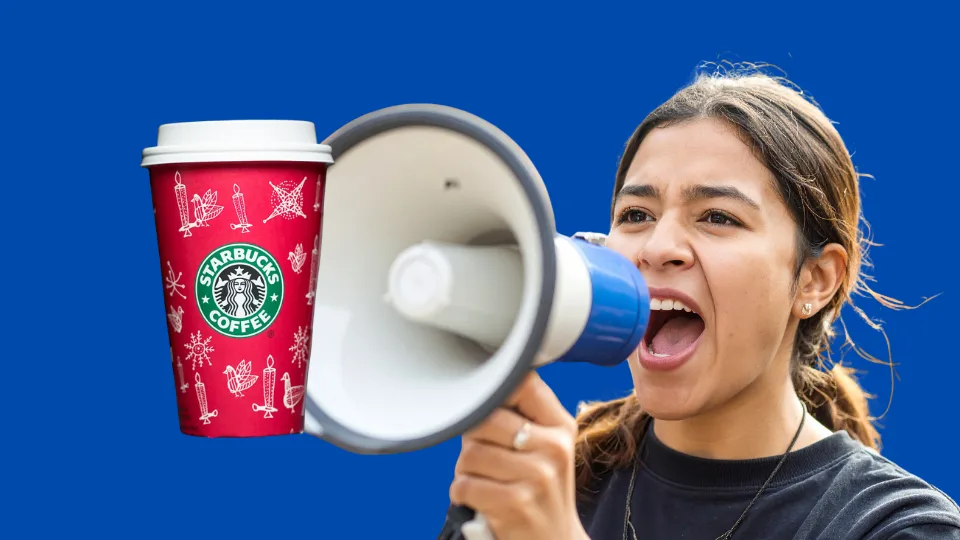
Starbucks is entering its busiest stretch of the year with a new labor crisis on its hands. Workers United, the union representing thousands of Starbucks baristas, launched an open-ended strike across more than 40 U.S. cities on Thursday, timed to coincide with Red Cup Day, one of the company’s biggest annual sales events.
The walkout marks the latest escalation in the years-long standoff between the coffee chain and its rapidly expanding union. According to Workers United, more than 1,000 baristas at over 65 stores are participating.
Why This Strike Matters Right Now
Red Cup Day is a critical revenue driver every holiday season. Starbucks counts on heavy foot traffic, promotional drink specials, and merchandise drops to deliver a meaningful boost to quarterly results. With the company working to reverse sluggish domestic performance under new CEO Brian Niccol, any disruption could immediately affect momentum.
Starbucks recently broke a two-year stretch of same-store sales declines in the United States. Investors have been watching closely to see whether the turnaround is sustainable. A prolonged strike at the start of the holiday rush raises fresh questions about labor stability and store-level performance.
What The Union Wants
Workers United is pushing for:
- Higher wages
- More consistent scheduling and hours
- Resolution of hundreds of unfair labor practice charges filed against Starbucks
- A binding collective bargaining agreement
Both sides have traded accusations for months over stalled negotiations. Talks collapsed late last year, and while mediation began in February, hundreds of barista delegates rejected Starbucks’ proposed economic package in April.
Union leaders warn they are prepared to escalate. They say the walkout could become the largest and longest strike in Starbucks history if demands are not met.
In a statement, spokesperson Michelle Eisen said the message is clear:
“If Starbucks keeps stonewalling a fair contract and refusing to end union-busting, they’ll see their business grind to a halt.”
Eisen added, “No contract, no coffee is more than a tagline — it’s a pledge to interrupt Starbucks operations and profits until a fair union contract and an end to unfair labor practices are won. Starbucks knows where we stand.”
Starbucks Responds
The company maintains that it is prepared to serve customers without disruption, citing nearly 18,000 company-operated and licensed stores.
A Starbucks spokesperson pushed back on the union’s framing, telling CNBC:
“Starbucks offers the best job in retail, including more than $30 an hour on average in pay and benefits for hourly partners. Workers United, which represents only 4 percent of our partners, chose to walk away from the bargaining table. We have asked them to return many times. If they are ready to come back, we are ready to talk. We believe we can move quickly to a reasonable deal.”
Sara Kelly, Starbucks chief partner officer, said in a letter that progress had previously been made when both sides were actively negotiating.
“We reached more than 30 tentative agreements on full contract articles,” Kelly wrote.
She added, “Our commitment to bargaining has not changed. Workers United walked away from the table but if they are ready to come back, we are ready to talk. We believe we can move quickly to a reasonable deal.”
How Big Is the Union Now?
Workers United began organizing Starbucks locations in 2021 and says it now represents more than 12,000 workers across 550 stores. Starbucks disputes the number, saying the union represents around 9,500 workers at the same 550 cafes.
While the strike affects only a fraction of Starbucks’ footprint, the timing amplifies the impact. Historically, past strikes have affected less than 1 percent of stores.
What Investors Should Watch
This standoff arrives at a moment when Starbucks is trying to rebuild U.S. sales, streamline operations, and reassure shareholders after several soft quarters. Key risks include:
- Potential operational disruptions in the most important sales window of the year
- Higher labor costs if a deal includes wage and hour concessions
- Reputational damage as union activity becomes more visible
- Longer term risk of accelerated unionization throughout the chain
Investors will also be monitoring whether the work stoppage affects customer sentiment or Red Cup Day turnout, which typically produces one of the biggest traffic spikes of the year.
The Bottom Line
The union is trying to apply maximum pressure at the most strategic moment. Starbucks leadership insists it is offering competitive pay and a path to a contract, but both sides remain publicly entrenched. With the holiday season underway and negotiations stalled, this strike could shape the company’s performance, labor relations, and public image well into 2025.
If the walkout grows or drags on, Starbucks may find itself navigating one of the most consequential labor battles in its history at the exact moment it hoped to focus on a turnaround.
About Author