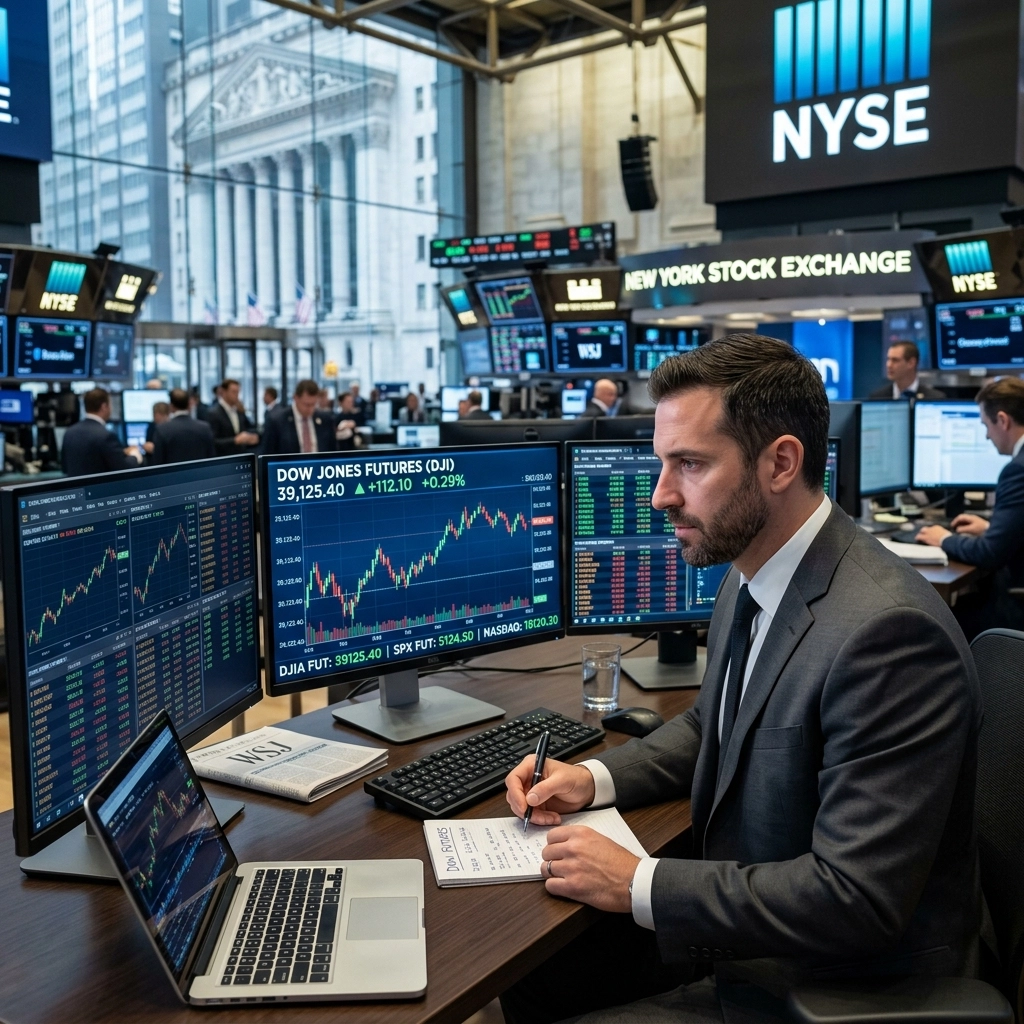
Understanding Dow Jones futures requires a grasp of how institutional sentiment translates into pre-market pricing before the 9:30 AM EST opening bell. For retail investors, these futures contracts serve as the market’s early warning system, reflecting global reactions to overnight news, economic data, and corporate earnings. While the cash market closes at 4:00 PM, the futures market for the Dow Jones Industrial Average (DJIA) trades nearly 24 hours a day during the business week, providing a continuous stream of data that savvy traders use to anticipate market direction.
The Dow Jones Industrial Average is a price-weighted index of 30 prominent blue-chip companies. Because the index is limited to 30 stocks, news affecting even one component can have a disproportionate impact on the futures. When the "Dow is up 200 points" in pre-market trading, it indicates that traders are pricing in optimism based on available information, whether that is a favorable Trump administration trade deal on coffee and bananas or a positive earnings surprise from a heavyweight component like Goldman Sachs or Apple.
The Mechanics of the Pre-Market Pulse
Dow Jones futures are legally binding agreements to buy or sell the value of the index at a specific date in the future. The most common contract for retail tracking is the E-mini Dow (YM), which has a tick value of $5, or the Micro E-mini (MYM), which trades at $0.50 per point. Professionals look at these quotes not as a guarantee of where the market will close, but as a map of current liquidity and sentiment.
The pricing of these contracts involves more than just speculation. It is a mathematical calculation involving the current value of the Dow, prevailing interest rates, and the expected dividends of the 30 component companies. If the futures are trading at a "fair value" premium or discount, it tells the trader exactly how much the market needs to "catch up" once the NYSE opens. For instance, if the Dow closed at 39,000 and the futures are trading at 39,200 at 8:00 AM, the market is signaling a 200-point "gap up" at the open.
Why the First 30 Minutes Matter
Financial analysts and professional desks pay the closest attention to the final 30 minutes before the opening bell: from 9:00 AM to 9:30 AM EST. This window is when high-frequency trading algorithms and institutional desks begin positioning for the day's cash session. During this time, volatility often spikes as major economic reports, such as the CPI inflation report or the monthly jobs report, are digested.
Data suggests that moves made in the pre-market carry more weight when accompanied by high volume. If Dow Jones futures are rising on thin volume at 3:00 AM, the move may be a "head fake" caused by low liquidity in overseas markets. However, if the futures surge at 8:31 AM following a government report, and that surge is backed by high contract volume, it signals strong institutional conviction.
How Stock Market News Shifts the Needle
Stock market news acts as the primary catalyst for futures movement. Because the Dow is comprised of massive corporations, individual company news often ripples through the entire index. For example, when Verizon axed 15,000 jobs in its largest layoff ever, the news immediately impacted the valuation of its stock, which in turn influenced the Dow futures. Similarly, when Disney stock drops after mixed results, the negative sentiment can drag the entire Dow lower if other components aren't strong enough to offset the loss.
Macroeconomic news also plays a critical role. Traders monitor the "Fed interest rate decision" or "federal reserve news" with intensity. If the Fed signals a "higher for longer" stance on interest rates, Dow futures typically sell off because higher rates increase borrowing costs for the 30 industrial giants in the index. Conversely, news that suggests a cooling of inflation or a stable labor market can send futures higher.
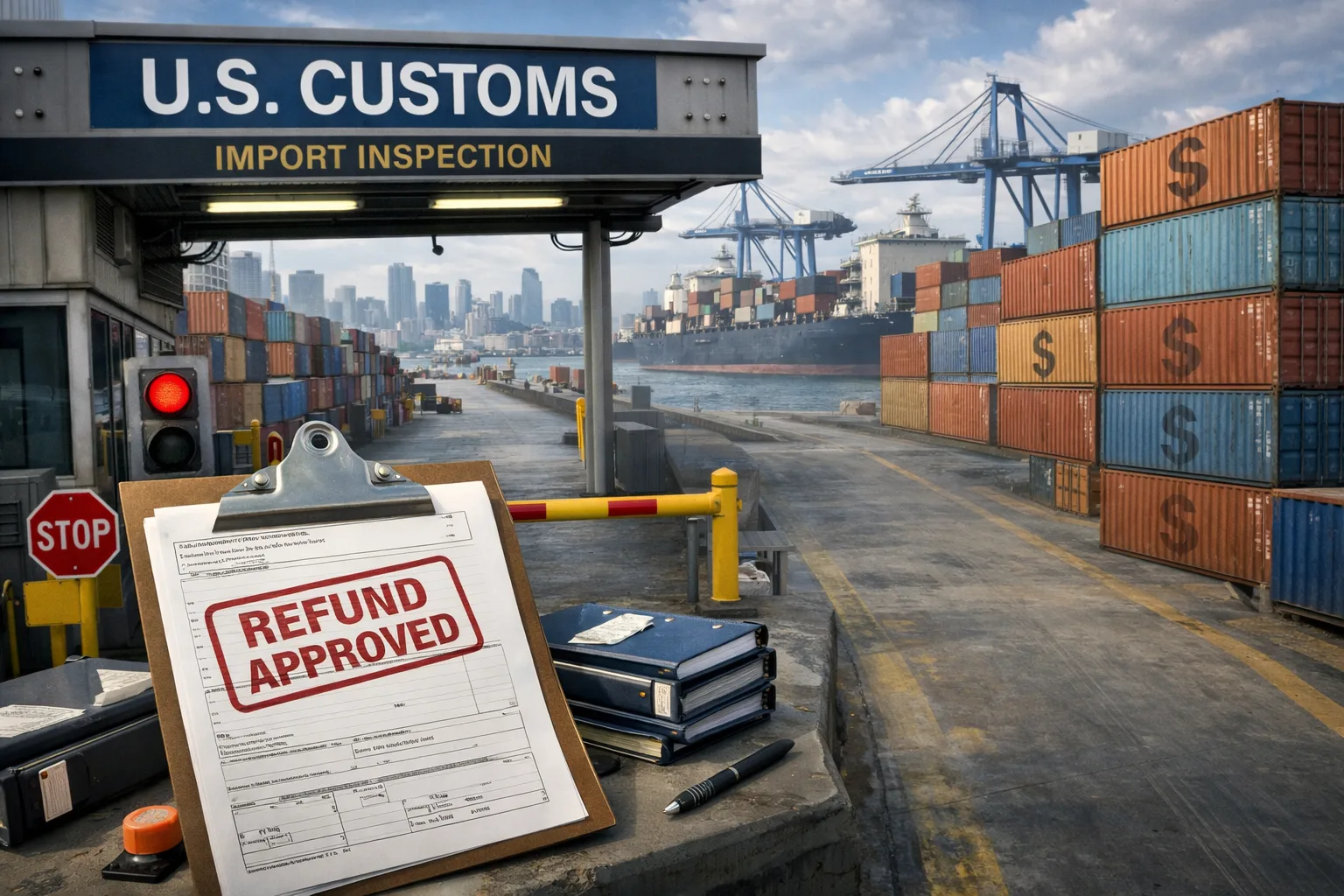
Even niche news can have a surprising impact. A 107% pasta tariff or changes in global trade policy can affect the consumer discretionary and staples sectors within the Dow. Professionals read these news items and immediately calculate the potential impact on the margins of companies like Walmart or Coca-Cola, adjusting their futures positions accordingly.
Correlation and Divergence: Reading the Room
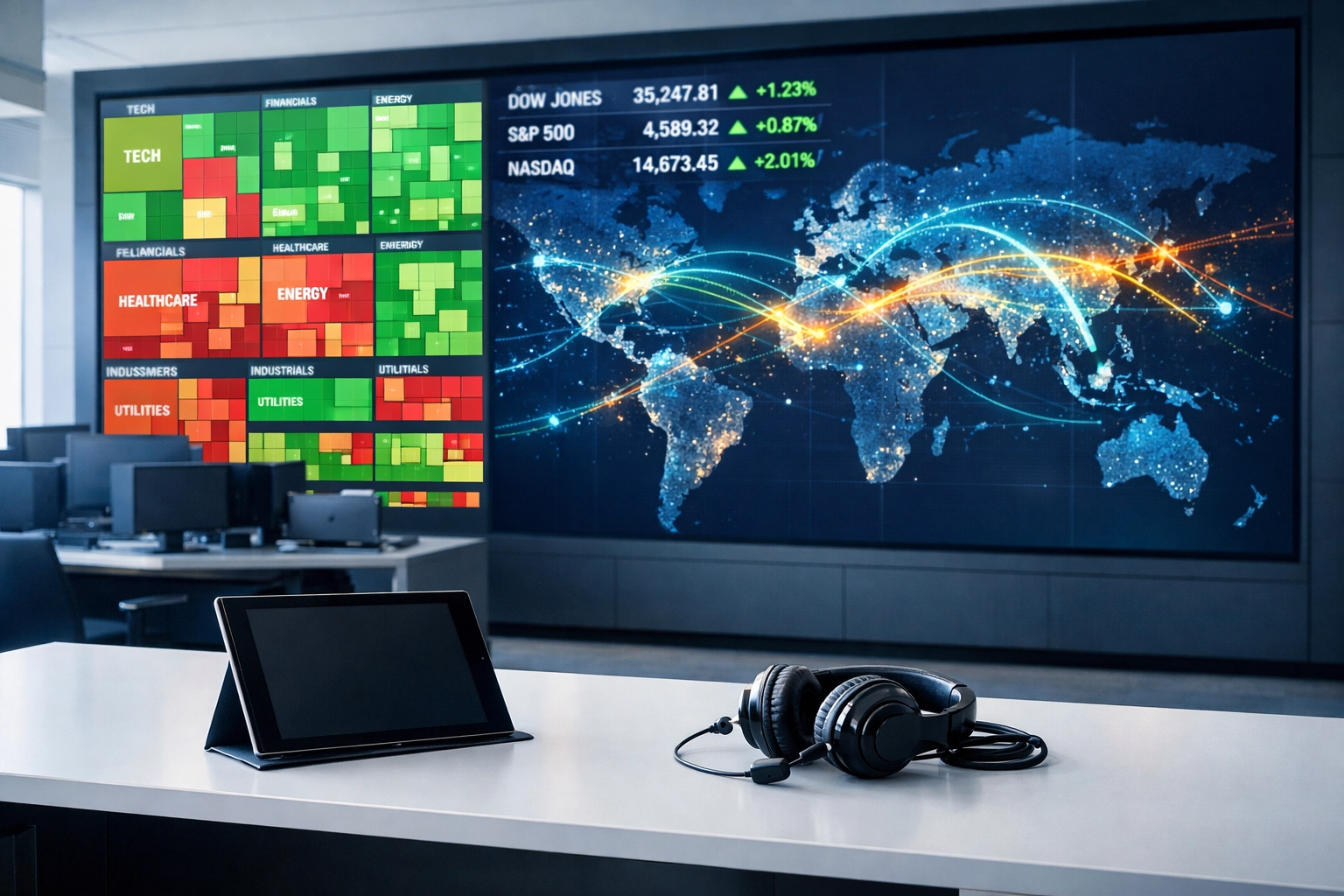
A "pro" does not look at Dow futures in a vacuum. They compare the Dow (YM) with the S&P 500 (ES) and the Nasdaq-100 (NQ) futures. This is known as inter-market analysis.
- Alignment: If all three indices are up 1% in the pre-market, there is a broad "risk-on" sentiment. This usually happens after a positive global event or a favorable "fed interest rate decision."
- Divergence: If the Nasdaq futures are up 2% while Dow futures are flat, it indicates that money is flowing into tech, but there is skepticism about the "Old Economy" industrial and banking sectors.
- Defensive Positioning: During periods of uncertainty, traders might see the Dow outperform the Nasdaq in the pre-market. This suggests that investors are seeking the perceived safety of dividend-paying blue chips rather than high-growth, high-volatility tech stocks.
External Factors: Energy, Crypto, and Global Tensions
The Dow is heavily influenced by the energy sector and international trade. An oil price forecast showing rising demand can bolster Dow components like Chevron. On the other hand, reports of "china deflation" can signal a slowdown in global manufacturing, which negatively impacts Dow components with heavy international exposure, such as Caterpillar or Boeing.
Even the burgeoning crypto market has started to bleed into traditional futures sentiment. While the Dow doesn't include Bitcoin, the approval of an XRP ETF or major shifts in digital asset regulation often signal a broader appetite for risk that can lift Dow futures.
Furthermore, the "Warren Buffett factor" remains a psychological anchor for the Dow. When Warren Buffett acknowledges his age or Berkshire Hathaway makes a massive move: like selling an entire Nvidia stake: traders watch the Dow futures to see if the "smart money" is rotating out of certain sectors.
Technical Analysis in the Pre-Market
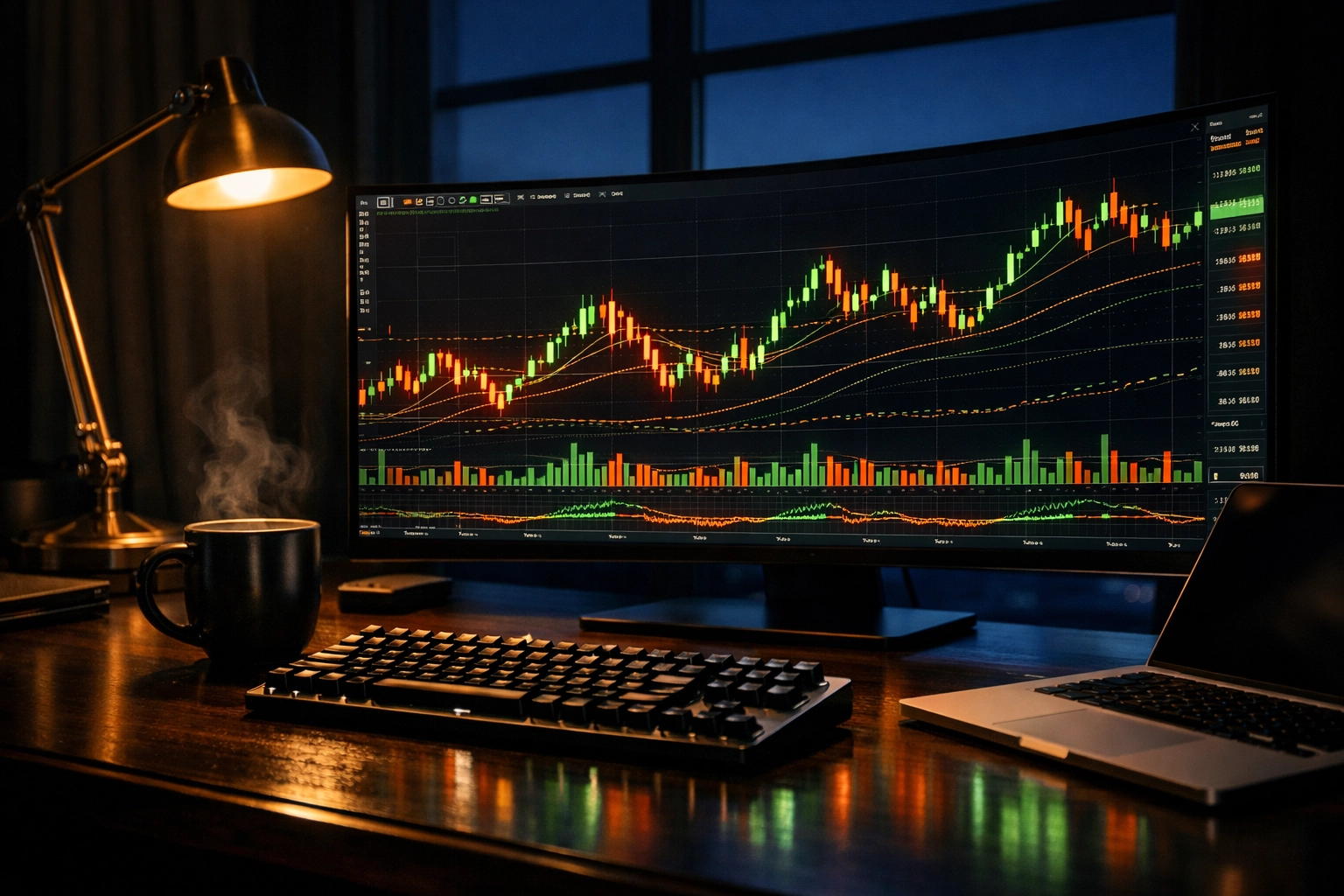
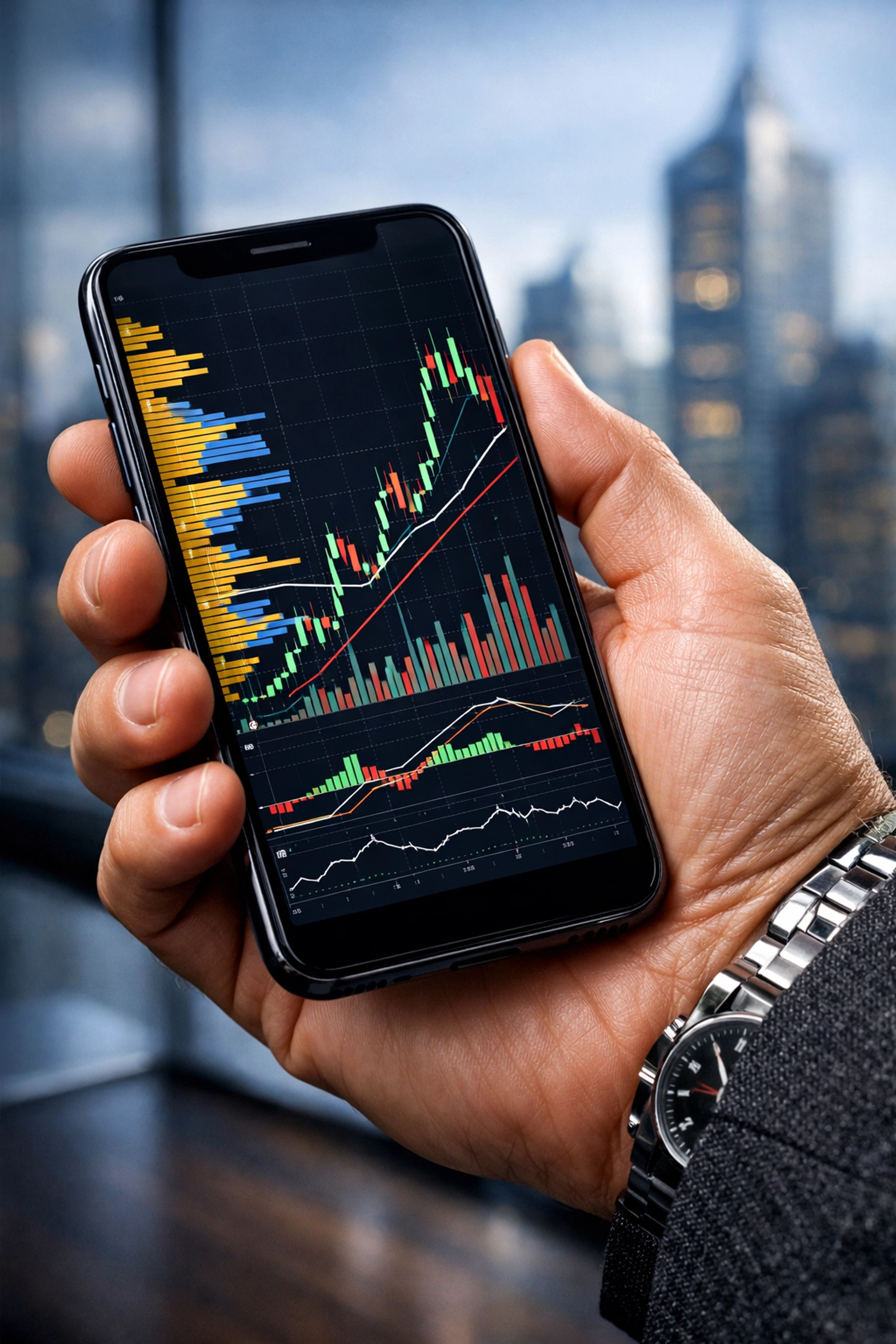
Reading futures like a pro also involves looking at technical levels. Traders identify the "Overnight High" and "Overnight Low." If the cash market opens and immediately breaks above the overnight high established by the futures, it is considered a very bullish signal. If the market "gaps up" at the open but fails to stay above the overnight high, it often leads to a "gap fill" where the price falls back down to the previous day's close.
Key support and resistance levels are often found in the futures charts. Professionals look for "VPOC" (Volume Profile of Control) to see at what price the most trading occurred overnight. If most of the overnight volume for Dow futures happened at a higher price than the current quote, there is a "magnet" effect that might pull the price up during the morning session.
What It Means for Investors
For the retail investor, Dow Jones futures are not just for day trading. They are a tool for risk management. If you see that futures are down significantly due to U.S. housing being unaffordable or a national strike at Starbucks, you can prepare for a volatile morning.
Monitoring the futures allows you to:
- Avoid Emotional Selling: Seeing a 300-point drop in futures at 6:00 AM gives you time to research the cause before the 9:30 AM panic.
- Identify Buying Opportunities: If the futures are down on what you perceive as "noise" or a temporary overreaction: like a minor restaurant overhaul: you might find a discounted entry point for long-term holdings.
- Gauge Policy Impact: News like Trump’s $2,000 dividend idea or a 50-year mortgage plan can create sudden spikes in futures that signal how the market views new fiscal policies.
Summary of the Professional Approach
Professional traders do not treat the pre-market as a crystal ball, but as a weighing machine for sentiment. They check the volume, compare the Dow to its peers (S&P and Nasdaq), and cross-reference the price action with the latest stock market news. By the time the opening bell rings, they have already identified the key levels of the day and understand why the market is moving.
Whether it's a settlement to cut swipe fees affecting Dow members Visa and Mastercard or a surprise in chicken sales at Tyson Foods, the futures market is where that news is first processed. Learning to read these signals before the 9:30 AM bell gives any investor a significant advantage in navigating the complexities of the modern financial landscape.
About Author