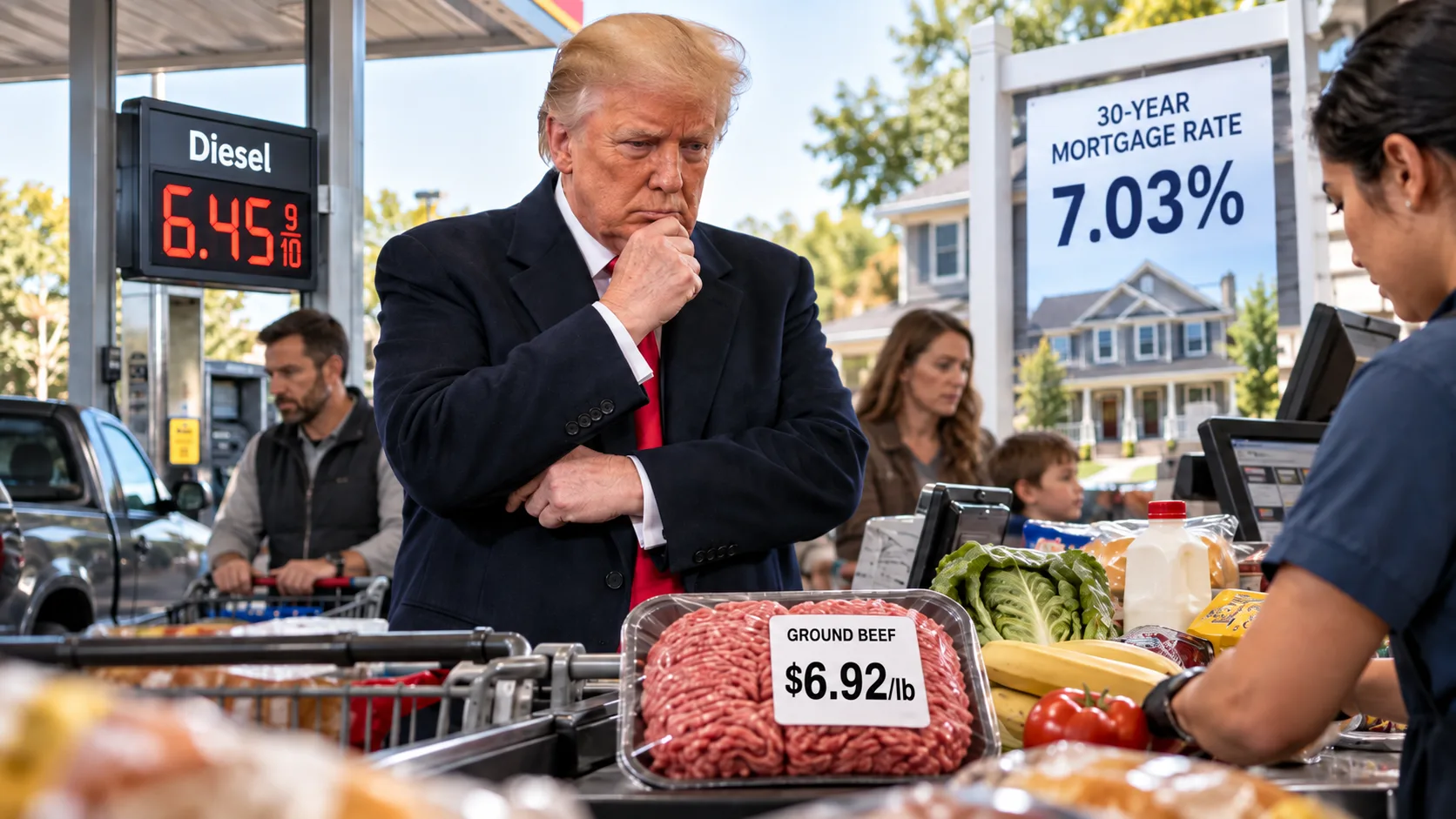
The Labor Department released the Consumer Price Index (CPI) report for February 2026 this morning, showing that inflation rose 0.3% on a monthly basis. This brings the year-over-year inflation rate to 2.4%, a figure that remains unchanged from January’s reading. While the cooling trend from the 3.0% levels seen a year ago is evident, the data suggests that the final stretch toward the Federal Reserve’s 2% target remains a slow and uneven process.
For retail investors and those tracking stock market news, today’s report provides a mixed bag of signals. The headline number indicates that price pressures are not accelerating aggressively, but they are also not disappearing as quickly as some had hoped. The Federal Reserve continues to monitor these figures closely as they weigh their next fed interest rate decision, with this particular report highlighting specific areas of the economy where costs remain "sticky."
The Core Inflation Divergence
When economists look at inflation, they often strip out the more volatile categories of food and energy to get to what is known as "Core CPI." In February, core inflation rose 2.5% year-over-year. This is slightly higher than the headline inflation rate of 2.4%, indicating that while energy prices have stabilized, the underlying costs of goods and services are still exerting upward pressure on the economy.

The divergence between headline and core inflation is significant for traders watching dow jones futures. If core inflation remains higher than the headline rate, it suggests that the Federal Reserve may have to keep interest rates elevated for a longer period to cool down the service sector. Energy prices, which only grew by 0.5% annually, helped keep the headline number lower, but the Fed typically views energy as a factor outside of their direct control. For investors, the focus remains on whether the core rate can break below the 2.5% threshold in the coming months.
Shelter and the Housing Market Lag
Housing and shelter costs continue to be the primary engine driving current inflation levels. According to the report, shelter prices rose 3.0% annually in February. Because shelter carries such a heavy weight in the CPI calculation: accounting for roughly one-third of the total index: any movement here has a disproportionate impact on the final numbers.
The challenge for the Federal Reserve is that shelter data in the CPI is often a lagging indicator. It reflects lease renewals and housing price changes from months prior, rather than what is happening in the real-time rental market today. While some private-sector data suggests that rental growth is flattening across the United States, those changes take time to filter through to the official Labor Department statistics.
Investors looking at the broader market need to recognize that until shelter costs show a more pronounced decline, the path to 2% inflation will be difficult. This persistent housing cost pressure is a key reason why the Fed has maintained a cautious stance on cutting rates, even as other sectors like electronics or used vehicles have seen price deflations.
Mixed Results at the Grocery Store
The food category provided some of the most dramatic data points in the February report. Overall food prices increased 3.1% year-over-year, outpacing the general inflation rate. However, the internal dynamics of the food sector are highly varied.
Meat and poultry prices saw a notable jump of 6.8% over the last twelve months. On the other end of the spectrum, egg prices plummeted by 42.1%. This massive drop in egg costs is largely a correction from the supply disruptions caused by the avian flu in previous cycles. For the average consumer, the "grocery store shock" remains a reality, even if certain items are becoming more affordable.

The volatility in food prices is a reminder for those following the oil price forecast and other commodity markets that supply chain health is still a major variable. While the energy impact on food production has moderated, labor costs in the agricultural and logistics sectors continue to keep the floor under food prices.
Service Sector Heat: Medical and Personal Care
One of the more concerning aspects of the February CPI report for the Federal Reserve is the rise in service-related costs. Medical care services rose 4.1% annually, while personal care jumped 4.9%. These sectors are heavily influenced by wages, and as long as the labor market remains tight, these service costs are likely to remain elevated.
When services inflation is high, it signals that the "inflationary mindset" has moved beyond just goods and into the broader economy. Unlike a television or a gallon of gas, the price of a medical procedure or a haircut is largely driven by the cost of the professional providing the service. If workers are demanding higher wages to keep up with their own rising costs of living, businesses pass those costs on to consumers, creating a cycle that is difficult to break without a cooling of the labor market.
This data point will likely be a central theme in the next federal reserve news update. The Fed has repeatedly stated that they need to see "softening" in the services sector before they feel confident that inflation is sustainably on its way to 2%.
Implications for the Federal Reserve and Interest Rates
As of Thursday, 12 of March 2026, the market is pricing in a "wait and see" approach from the Federal Reserve. Today's report does not offer a "smoking gun" that would force an immediate rate hike, nor does it provide the "clear evidence" of cooling that would trigger a rapid series of rate cuts.
The next CPI report for March 2026 is scheduled for release on April 10, 2026. Between now and then, the Fed will also look at the jobs report today and other employment data to see if the labor market is finally starting to rebalance. If the March data shows a similar 0.3% monthly gain, it reinforces the narrative that the U.S. economy is in a "sideways" period where inflation is neither crashing nor accelerating.
For those trading based on the gold price outlook, this "sticky" inflation environment is generally supportive of gold. Gold is often used as a hedge against the erosion of purchasing power. If the CPI stays above the 2% target while the Fed remains hesitant to raise rates further, the real interest rate remains low, which historically benefits non-yielding assets like gold.

What It Means for Investors
The takeaway for retail investors is that the era of rapid disinflation may be over. We have entered a period of incremental gains. While the decline from 9% to 3% happened relatively quickly as supply chains normalized post-pandemic, the move from 2.4% to 2.0% is proving to be a grind.
Market participants should be prepared for continued volatility in dow jones futures as every data point is scrutinized for hints of the Fed's next move. If you are looking at the earnings calendar, pay close attention to how companies are discussing their "pricing power." Firms that can still pass costs onto consumers in this 2.4% environment will likely outperform those that are seeing their margins squeezed by rising service and labor costs.
External factors also remain a risk. Ongoing tensions in the Middle East continue to threaten energy stability. For instance, recent events like when Iran attacks ships near the Strait of Hormuz can cause sudden spikes in oil prices that could easily derail the current cooling trend in headline CPI. For a deeper dive into how geopolitical tensions are affecting the markets, you can read our analysis on how Wall Street bets on another Trump taco rally as Iran war fears shake markets.
Summary of the February Data
To recap the February CPI report:
- Headline CPI: Rose 0.3% monthly; 2.4% annually.
- Core CPI: Rose 2.5% annually, indicating persistent underlying pressure.
- Shelter: Remained high at 3.0% annually, acting as the primary driver of the index.
- Food: Mixed results with meat prices rising and egg prices falling sharply.
- Services: Medical and personal care costs are rising significantly, reflecting labor market tightness.

The data suggests that while the economy isn't overheating, it isn't exactly "cool" yet either. The Federal Reserve's 2% target remains the goal, but the February report shows that reaching it will require more patience from both policymakers and investors. As we move closer to the April release, the focus will shift back to consumer spending habits and whether the high cost of services begins to deter buyers.
For more updates on the economy and real-time market shifts, stay tuned to Global Market News. The road to 2% is rarely a straight line, and today’s data is a clear reminder of the complexities facing the modern financial landscape.
About Author