President says Americans are being “gouged” even as oil prices plunge, raising new uncertainty for the energy sector and investors.
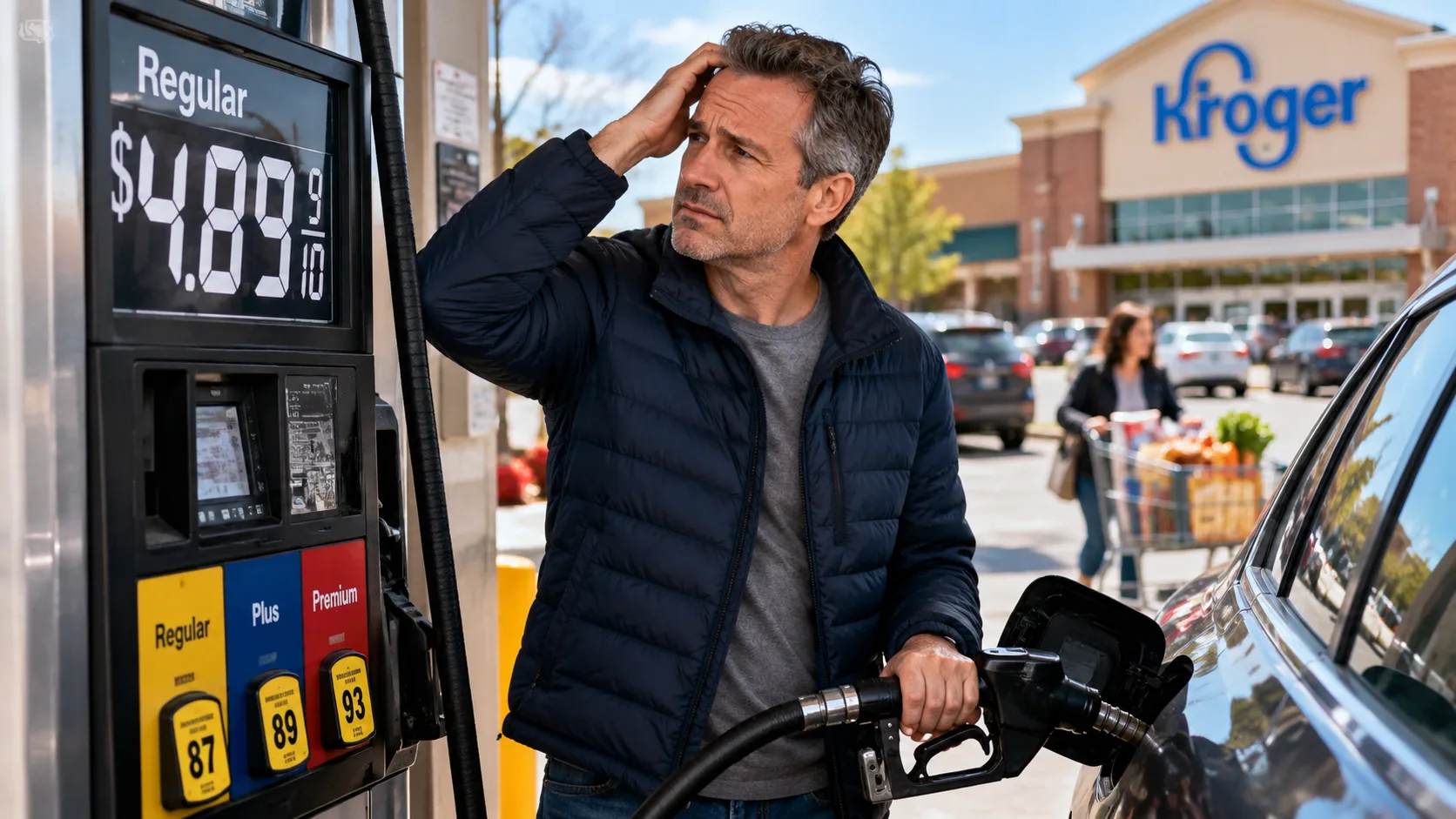
Americans have watched crude oil prices fall sharply over the past several months, but many drivers are asking the same question every time they pull up to the pump:
Why aren’t gasoline prices falling just as fast?
President Donald Trump is now asking that question too.
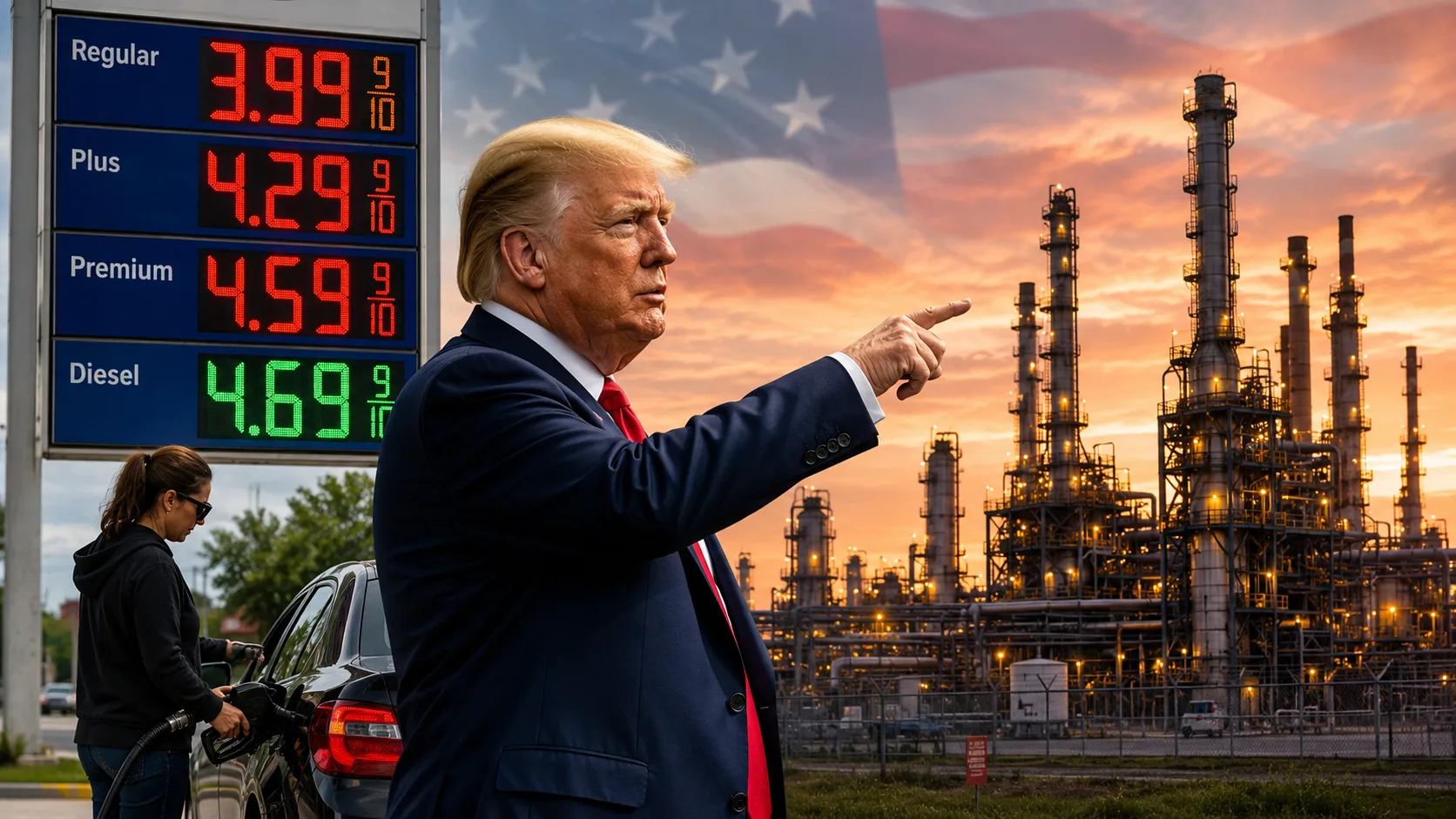
On Wednesday, Trump accused major oil companies of keeping gasoline prices artificially high despite a steep decline in crude oil costs, directing the Department of Justice to investigate what he described as possible price gouging.
The move marks a surprising escalation against an industry that has largely been one of Trump’s strongest political allies and raises fresh questions about whether the administration could take additional actions affecting energy companies, refiners, and fuel markets.
Trump Says Consumers Are Being “Gouged”
In a post on Truth Social, Trump argued that gasoline prices should have dropped much faster as crude oil retreated from its wartime highs.
“The big Oil Companies are not dropping their price at the pump commensurate with the sharply lower prices they are paying for Oil,” Trump wrote.
“Those prices are dropping like a rock!”
Trump also instructed the Justice Department to immediately investigate whether oil companies are unfairly profiting while American consumers continue paying elevated prices at the pump.
Although he did not identify any specific companies, the comments immediately placed the energy industry under renewed political scrutiny.
Oil Prices Have Fallen. Gas Prices Haven’t.
The frustration stems from the widening gap between crude oil prices and retail gasoline prices.
U.S. benchmark crude has fallen to roughly $70 per barrel, down dramatically from nearly $120 per barrel reached earlier this year during heightened Middle East tensions.
Gasoline prices have eased, but much more slowly.
According to the American Automobile Association (AAA), the national average remains around $3.93 per gallon, down from about $4.51 one month ago but still roughly 70 cents higher than a year ago.
For many consumers, that slower decline has become increasingly difficult to understand.
Why Gas Prices Often Lag Oil Prices
Energy economists say the relationship between crude oil and gasoline isn’t as straightforward as many assume.
Crude represents only one component of the price drivers pay.
Refining costs, transportation expenses, seasonal fuel blends, wholesale inventories, taxes, and retailer margins all influence the final price displayed on gas station signs.
Industry analysts also point to a well-known market phenomenon often called “rockets and feathers.”
Gasoline prices tend to rise rapidly when crude prices spike but fall much more gradually after crude declines.
Academic research has documented this pattern for decades, although numerous government investigations have generally failed to find evidence of widespread price-fixing or collusion.
Industry Pushes Back
The oil industry quickly responded to Trump’s criticism.
The American Petroleum Institute said gasoline prices simply do not move in lockstep with crude prices, particularly following major geopolitical disruptions that continue to affect refining capacity and fuel inventories.
Tom Kloza, chief energy adviser at Gulf Oil, also noted that most gasoline stations are independently owned rather than controlled by large integrated oil companies.
“Big Oil does not set the retail gasoline prices,” Kloza explained, noting that thousands of small business owners ultimately determine pump prices across much of the country.
Former White House energy adviser Mike McKenna similarly suggested the investigation is unlikely to uncover wrongdoing, arguing that similar inquiries over several decades have repeatedly reached the same conclusion.
Politics Are Entering the Energy Market
Trump’s comments arrive as inflation remains one of the administration’s biggest political challenges ahead of the midterm elections.
Energy prices continue to play an outsized role in household budgets and consumer confidence, making gasoline prices one of the most visible measures voters experience every week.
The administration has already warned retailers to pass along lower wholesale costs more quickly, with Treasury Secretary Scott Bessent previously saying officials would monitor whether gas stations reduced prices as crude declined.
Some analysts believe the latest comments could signal additional pressure on the energy industry if pump prices fail to move lower.
One possibility discussed by market observers would be restrictions on crude oil exports—an option strongly opposed by the industry but one that could theoretically increase domestic fuel supplies.
What Investors Should Watch Next
While a DOJ investigation may generate headlines, energy analysts generally believe it is unlikely to produce major enforcement actions unless evidence of anti-competitive conduct emerges.
Instead, investors should focus on several developments that will likely have a much larger impact on fuel prices:
- Whether crude oil continues falling as Middle East tensions ease.
- The stability of shipping through the Strait of Hormuz.
- U.S. refinery utilization during the summer driving season.
- Consumer demand for gasoline heading into the second half of the year.
- Any additional White House actions targeting energy markets.
For investors, the bigger question is not whether oil companies face another investigation.
It’s whether political pressure begins influencing energy policy in ways that affect refinery margins, export policy, and profitability across the broader oil sector.
With fuel prices remaining one of the most visible economic indicators for American households, the energy industry is likely to remain squarely in Washington’s spotlight throughout the remainder of the year.
About Author