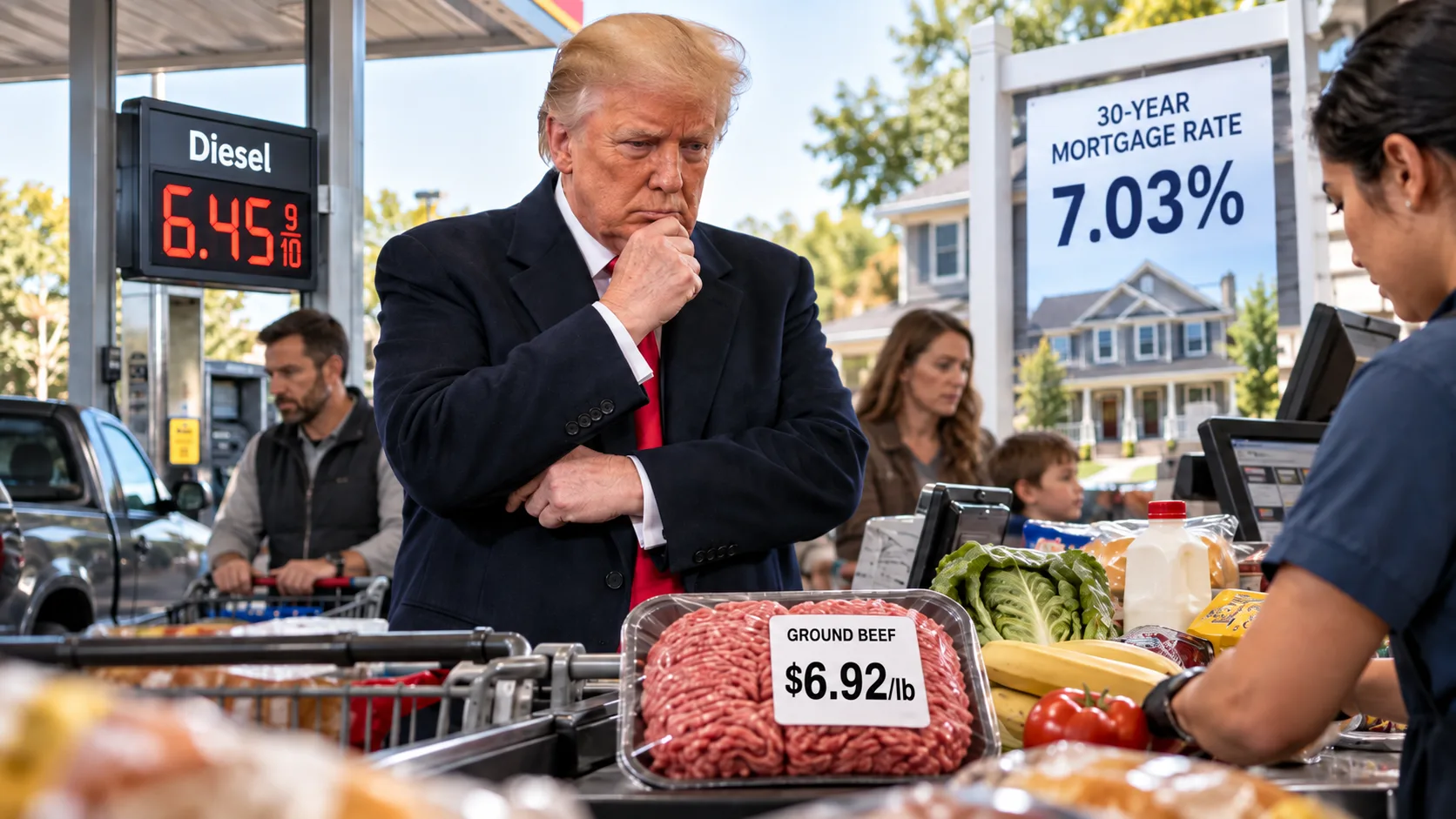
As the federal government enters its second week of a shutdown, a new memo from the Trump White House is stirring controversy by questioning whether furloughed federal employees would automatically receive retroactive pay. If put into practice, the stance represents a sharp deviation from established norms and expectations. Reuters
Legal Basis: 2019 Law vs. New Interpretation
In 2019, then-President Trump signed the Government Employee Fair Treatment Act (GEFTA), which was intended to guarantee back pay for federal workers affected by lapses in appropriations. Under standard interpretations, this has long been viewed as providing payment to both furloughed (non-essential) and “excepted” (essential, working without pay) employees once a shutdown ends.
However, an internal memo circulated by the White House’s Office of Management and Budget (OMB), authored by its general counsel, contends that GEFTA does not create a legally self-executing mandate for back pay. Instead, the memo argues, any payments would require express appropriation by Congress in subsequent legislation. According to this view, the law only grants an authorization (permission) to pay, not a requirement to do so automatically.
Political & Practical Implications
If the new White House position holds, up to 700,000 federal employees could be denied back pay — unless Congress explicitly votes to include such payments in a funding package. The shutdown, which began October 1, has already furloughed hundreds of thousands or left others working without pay.
President Trump has seemed ambiguous on the issue, suggesting pay could depend on “who we’re talking about” and noting that “some people really don’t deserve to be taken care of.” Reuters That language has drawn sharp criticism from Democrats, labor groups, and even some Republicans who argue such selectivity undermines fairness and breaks precedent.
Meanwhile, key congressional figures are already pushing back. Senate Majority Leader John Thune (R-SD) called back pay a “fairly standard practice” that he believes will continue. Reuters Speaker Mike Johnson (R-LA), though previously supportive of automatic payment, acknowledged the administration’s memo “may alter” standard assumptions and said more debate is needed. The Washington Post Democrats, for their part, have accused the administration of trying to weaponize federal workers in the political standoff.
Risks, Fallout & What Comes Next
- Legal Challenges Likely
Legal experts predict that any move to withhold retroactive pay would face court challenges. They emphasize that the language in GEFTA is clear in stating that workers shall be paid as soon as possible after shutdowns. TIME - Political Blowback
Federal workers and unions could mobilize strong political opposition. The move may become a rallying point in the closing days of this shutdown, increasing pressure on Republicans and the White House. - Congressional Leverage
By making back pay contingent on new legislation, the administration may be seeking added leverage over Congress in budget negotiations. Some view the tactic as a hardball negotiating posture. - Moral & Practical Outrage
Even employees often cast as “nonessential” risk severe financial stress — rent, bills, groceries don’t wait. The optics of refusing pay during a shutdown may alienate public sentiment and amplify criticism of government dysfunction.
A Break from Precedent
If the Trump administration follows through, it would be a bold break from 40+ years of shutdown precedent — and from a law Trump himself signed. Whether Congress, the courts, or political pressure ultimately force the White House to backtrack remains to be seen. But as this shutdown drags on, the question of who gets paid—and who is left out—may prove one of its most consequential fights.
Let me know if you want this version tailored for your newsletter (focusing on union issues, political framing, legal analysis, etc.).
About Author