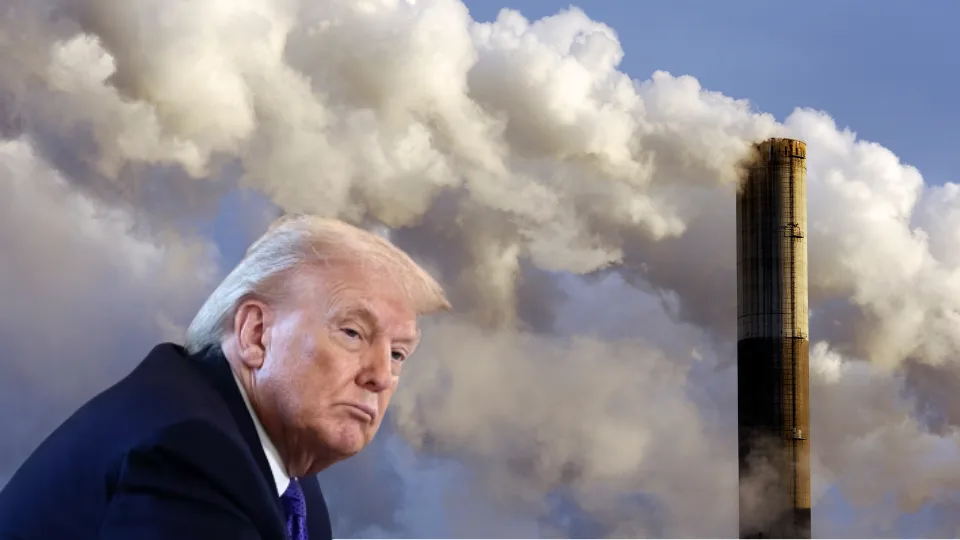
The Trump administration is preparing one of the most consequential environmental policy reversals in modern U.S. history, targeting the 2009 federal determination that greenhouse gases threaten public health. If finalized, the move would dismantle the legal foundation behind many national emissions rules and could trigger major ripple effects across energy markets, manufacturing, transportation, and investor strategy.
The decision centers on the Environmental Protection Agency’s “endangerment finding,” a scientific and legal judgment issued in 2009 that concluded several greenhouse gases pose risks to public health and welfare. That determination has served as the backbone for federal emissions standards for vehicles and climate regulations tied to the Clean Air Act for more than a decade.
According to officials, the administration plans to formally rescind the finding, which would remove federal requirements tied to measuring, reporting, certifying, and complying with greenhouse gas emissions rules for vehicles. The rollback would also eliminate several related compliance programs and regulatory frameworks affecting industries.
“This amounts to the largest act of deregulation in the history of the United States,” EPA Administrator Lee Zeldin said in an interview.
While the repeal would initially focus on vehicle-related rules, legal analysts note that dismantling the finding could open the door to broader reversals of climate regulations impacting power plants, industrial facilities, and oil and gas operations in the future.
A Major Turning Point in U.S. Climate and Energy Policy
The proposed repeal represents a dramatic pivot in U.S. climate strategy and reflects President Trump’s broader push to reduce regulatory burdens on energy producers and manufacturers. Since returning to office, the administration has emphasized fossil fuels as critical to national security, economic growth, and lower consumer energy prices.
Officials estimate the rollback could translate into more than one trillion dollars in regulatory reductions, though detailed calculations behind that figure have not been publicly disclosed. The administration also claims consumers could see cost savings of more than $2,400 per vehicle due to reduced compliance costs tied to emissions standards.
At the same time, environmental and public health groups strongly oppose the move, arguing that emissions rules have helped prevent hundreds of thousands of premature deaths and reduced pollution-related illnesses over time.
The Environmental Defense Fund warned that reversing the finding would “eliminate some of our most vital tools to protect people from the pollution that causes climate change,” adding that the shift could expose Americans to higher levels of harmful air pollutants.
Energy Abundance Strategy and Coal Revival Effort
The repeal is part of a broader energy initiative designed to increase domestic production, stabilize electricity prices, and support industrial growth. The administration has signaled several additional policy moves connected to the announcement.
Interior Secretary Doug Burgum emphasized the administration’s philosophy, saying, “More energy drives human flourishing. Energy abundance is the thing that we have to focus on, not regulating certain forms of energy out.”
In parallel with the regulatory rollback, the administration is expected to promote expanded coal usage, including agreements directing the Defense Department to purchase electricity generated from coal-fired power plants. Federal funding is also being allocated to recommission and upgrade coal facilities across several states.
Energy Secretary Chris Wright linked the strategy to the nation’s technology ambitions, particularly the massive power demand required for artificial intelligence and advanced manufacturing. He stated that revitalizing coal and expanding energy supply would help control electricity prices and support long-term industrial competitiveness.
Legal Battles Likely Ahead
The proposed repeal is almost certain to face immediate legal challenges. Environmental groups and several states have already indicated plans to contest the decision in court, arguing that reversing the endangerment finding contradicts established law, scientific consensus, and prior Supreme Court rulings.
Litigation could take years to resolve, creating a period of uncertainty where regulatory enforcement may weaken while legal proceedings unfold.
Some states, particularly those with aggressive climate policies such as California, New York, and Massachusetts, may implement their own emissions regulations if federal oversight is reduced. This could create a fragmented regulatory landscape, forcing companies operating nationally or globally to navigate conflicting environmental standards.
Business and Investor Implications
For investors, the potential repeal carries significant implications across multiple sectors.
Energy and Fossil Fuels
Oil, gas, and coal producers could benefit from reduced regulatory pressure and lower compliance costs. Expanded fossil fuel production may also support lower domestic energy prices, which could boost industrial profitability and consumer spending.
Companies tied to traditional energy infrastructure, power generation, and mining may see improved operating conditions if regulations loosen further.
Automakers and Manufacturing
The removal of certain emissions requirements could lower production costs for vehicle manufacturers. However, many global automakers are unlikely to abandon electrification and emissions reduction strategies due to international regulatory pressure and long-term market demand for cleaner technologies.
This means companies may continue investing in low emissions technologies regardless of U.S. regulatory changes.
Utilities and Electricity Markets
Policies supporting coal and expanded energy supply could reshape electricity pricing dynamics. Increased generation capacity may stabilize power costs, particularly as AI data centers and industrial electrification drive rising demand.
Lower energy costs often translate into broader economic benefits, including reduced operating expenses for businesses and potentially lower inflation pressure.
Regulatory Uncertainty Risk
Perhaps the most important factor for investors is uncertainty. A prolonged legal fight and patchwork state regulations could create compliance complexity for multinational corporations. Companies operating globally must still meet stricter emissions rules abroad, even if U.S. standards loosen.
Markets tend to react strongly to uncertainty, and regulatory shifts of this scale can influence capital flows, sector performance, and long-term investment strategies.
Public Health and Economic Debate
Supporters of the rollback argue that reducing regulatory burdens will boost economic growth, strengthen domestic industry, and lower energy prices for Americans. They view expanded fossil fuel production as essential for economic resilience and national security.
Critics warn that weakening emissions rules could increase pollution, harm public health, and slow progress toward climate goals. They also argue that the long-term economic costs of environmental damage could outweigh short-term regulatory savings.
Public opinion appears divided. Rising energy prices and cost of living concerns remain top voter priorities, but climate and environmental risks continue to shape long-term policy debates.
Global Positioning and Competitive Pressures
The U.S. policy shift comes at a time when many global economies are tightening environmental standards and accelerating clean energy transitions. This divergence could create strategic challenges for U.S. companies competing internationally, particularly in industries where emissions performance influences market access.
Corporations may find themselves operating under looser rules domestically while facing stricter requirements abroad, potentially complicating supply chains and compliance strategies.
About Author