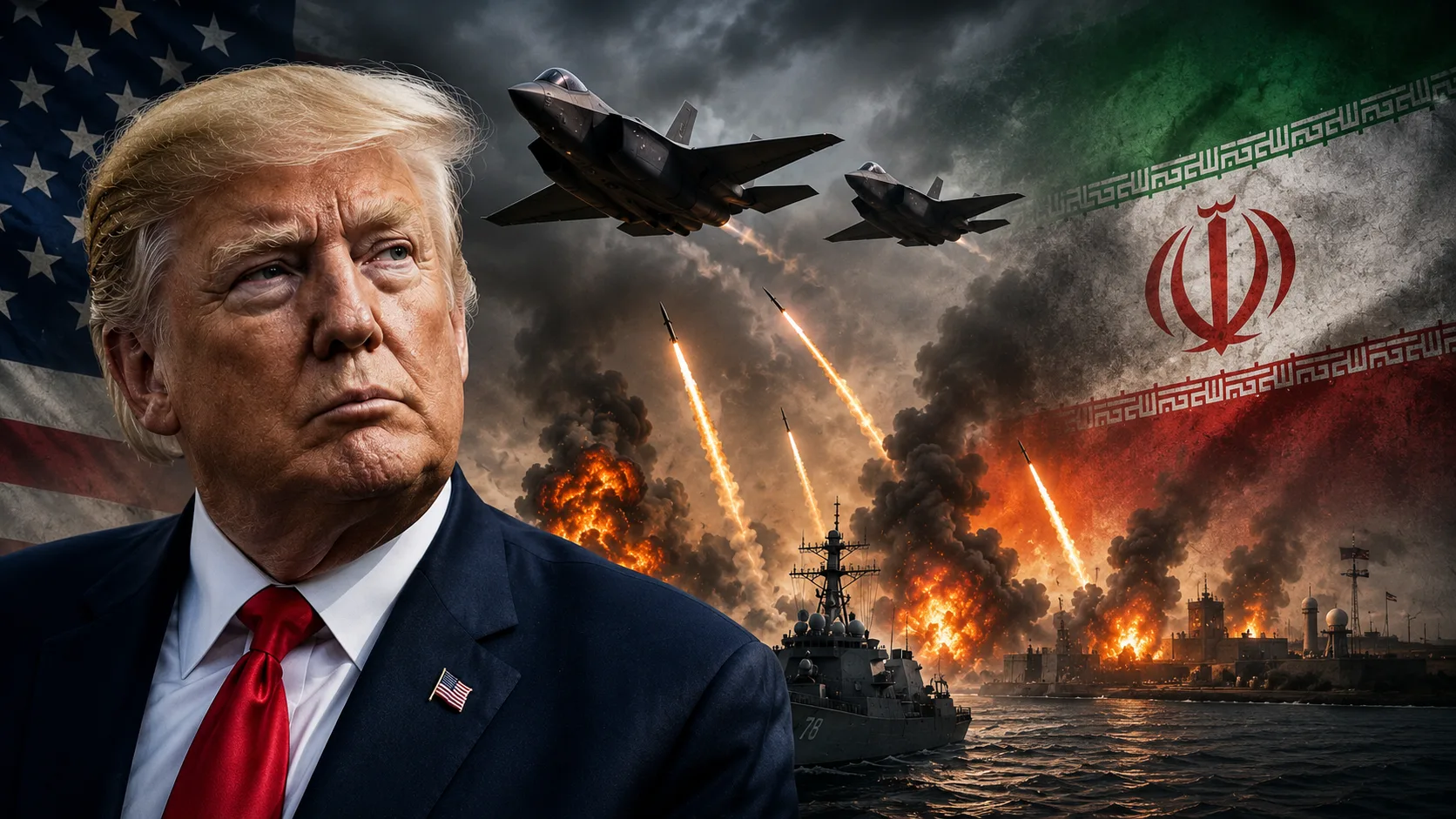
Just days after warning that the United States would hit Iran “very hard,” President Donald Trump abruptly reversed course.
In a surprise Truth Social post early Sunday morning, Trump announced he had canceled a planned military strike after what he described as a diplomatic breakthrough with Iran and several Middle Eastern countries.
The announcement immediately lowered fears of another major military escalation, but it also raised a new question for investors: Is this the beginning of a peace deal—or simply another temporary pause in a conflict that continues to threaten global energy markets?
Trump Says a Deal Is Taking Shape
According to Trump, Iran and several neighboring countries asked the United States to postpone military action because “the perimeters of a deal has been agreed to.”
Trump said the framework would include:
- The immediate, complete, and total reopening of the Strait of Hormuz to commercial shipping.
- An end to Iran’s nuclear threat.
- A pause in military operations while negotiations continue.
“Based on this request, I have agreed…to cancel the attack, subject to being able to rapidly make a DEAL,” Trump wrote, adding that Israel had also agreed to refrain from military action while diplomacy continues.
Despite the pause, Trump made clear that military pressure remains on the table.
“The United States is locked and loaded and ready to go,” he said, warning that overwhelming military force remains available if negotiations collapse.
Iran Isn’t Embracing Trump’s Claims
Iran’s response was notably more restrained.
Acting Defense Minister Seyyed Majid Ibn Al-Reza said Iran considers every American threat to be credible despite characterizing recent U.S. statements as psychological warfare.
Meanwhile, Iran’s Fars International news agency dismissed Trump’s proposed terms as little more than a “wish list,” suggesting significant differences remain between the two sides.
Foreign Minister Abbas Araqchi also reiterated that any new military action by the United States, Israel, or regional partners would receive what he called a “decisive and proportionate response.”
In other words, diplomacy may be progressing, but neither side appears ready to declare victory.
Why the Strait of Hormuz Matters So Much
The biggest issue for financial markets remains the Strait of Hormuz.
Before the conflict intensified, roughly 20% of the world’s oil supply moved through the narrow shipping lane connecting the Persian Gulf to global markets.
The proposed reopening would remove one of the largest threats hanging over global energy supplies.
That matters because recent events have shown how quickly conditions can deteriorate.
- A commercial tanker near Oman reported being struck Friday.
- Another vessel reported a nearby explosion.
- Iran has threatened to tighten its control over critical maritime routes if U.S. military operations continue.
- Iran-backed Houthi forces have also increased attacks near the Bab el-Mandeb Strait, raising concerns that a second global shipping chokepoint could face disruption.
With two of the world’s most important maritime corridors under pressure, investors have become increasingly sensitive to every geopolitical headline.
Oil Prices Are Reacting to Every Development
Energy markets remain highly volatile.
On Friday:
- West Texas Intermediate crude settled at $84.67 per barrel.
- Brent crude closed at $90.12 per barrel.
Although oil prices finished the week lower overall after earlier hopes of de-escalation, each new military or diplomatic development continues to trigger sharp swings in energy markets.
If Hormuz fully reopens and tensions ease, oil prices could face additional downward pressure.
If diplomacy fails, however, energy analysts warn prices could move sharply higher again as supply risks return to the forefront.
The Region Remains on Edge
Even with Trump’s announcement, governments across the Middle East continue preparing for additional conflict.
Several U.S. embassies, including those in Iraq, Jordan, and the United Arab Emirates, have urged American citizens to consider leaving the region or be prepared for rapidly changing security conditions.
The warnings followed expanding military activity across the region.
Over the past week:
- The U.S. launched another heavy wave of strikes against Iranian Revolutionary Guard targets.
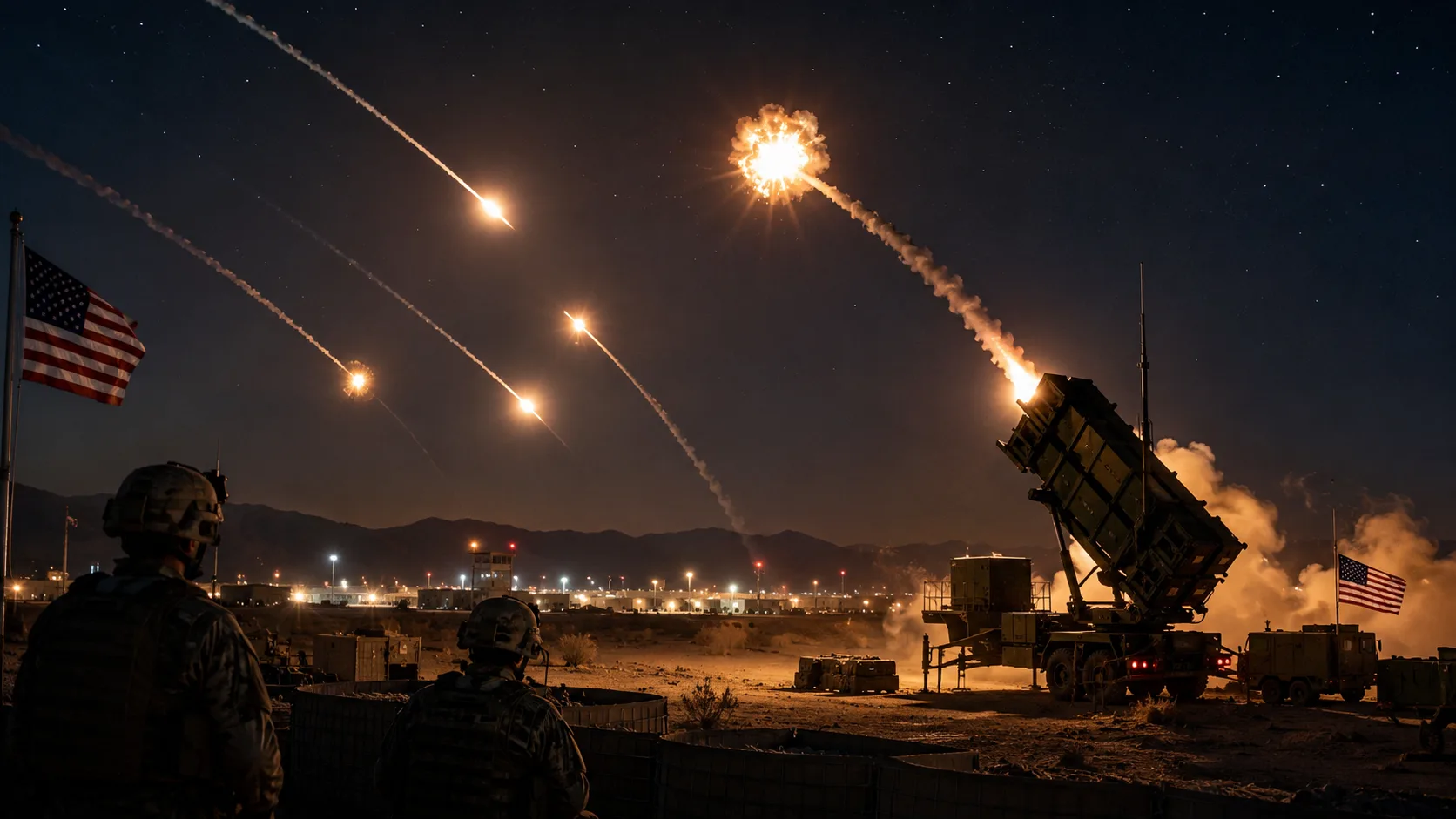
- Iran retaliated with attacks on U.S. military bases in Kuwait and Bahrain.
- Egypt reported a drone strike on two commercial ships at the Port of Damietta, marking the first attack on Egyptian territory since the conflict began.
Saudi Crown Prince Mohammed bin Salman also spoke with Trump over the weekend, emphasizing the need for dialogue and efforts to reduce regional tensions.
What Investors Should Watch Next
For markets, Sunday’s announcement removes some immediate uncertainty—but not the underlying risk.
Several key issues remain unresolved:
- Whether Iran formally accepts any agreement.
- Whether the Strait of Hormuz fully reopens.
- The future of Iran’s nuclear program.
- Whether military operations resume if negotiations stall.
Markets have repeatedly rallied and sold off as optimism over diplomacy gives way to renewed military threats.
Until a formal agreement is signed and implemented, investors should expect continued volatility across oil, defense stocks, airlines, shipping companies, and the broader market.
The Deal Isn’t Done Yet
Trump’s decision to cancel a planned strike represents the strongest signal yet that diplomacy may still have a path forward despite months of escalating conflict.
But there is a significant difference between agreeing on the “perimeters of a deal” and reaching a binding agreement.
For now, the world has stepped back from what appeared to be another major military escalation. Whether that pause becomes lasting peace—or simply the next chapter in an increasingly unpredictable conflict—could determine the direction of energy markets and global investor sentiment in the weeks ahead.
About Author