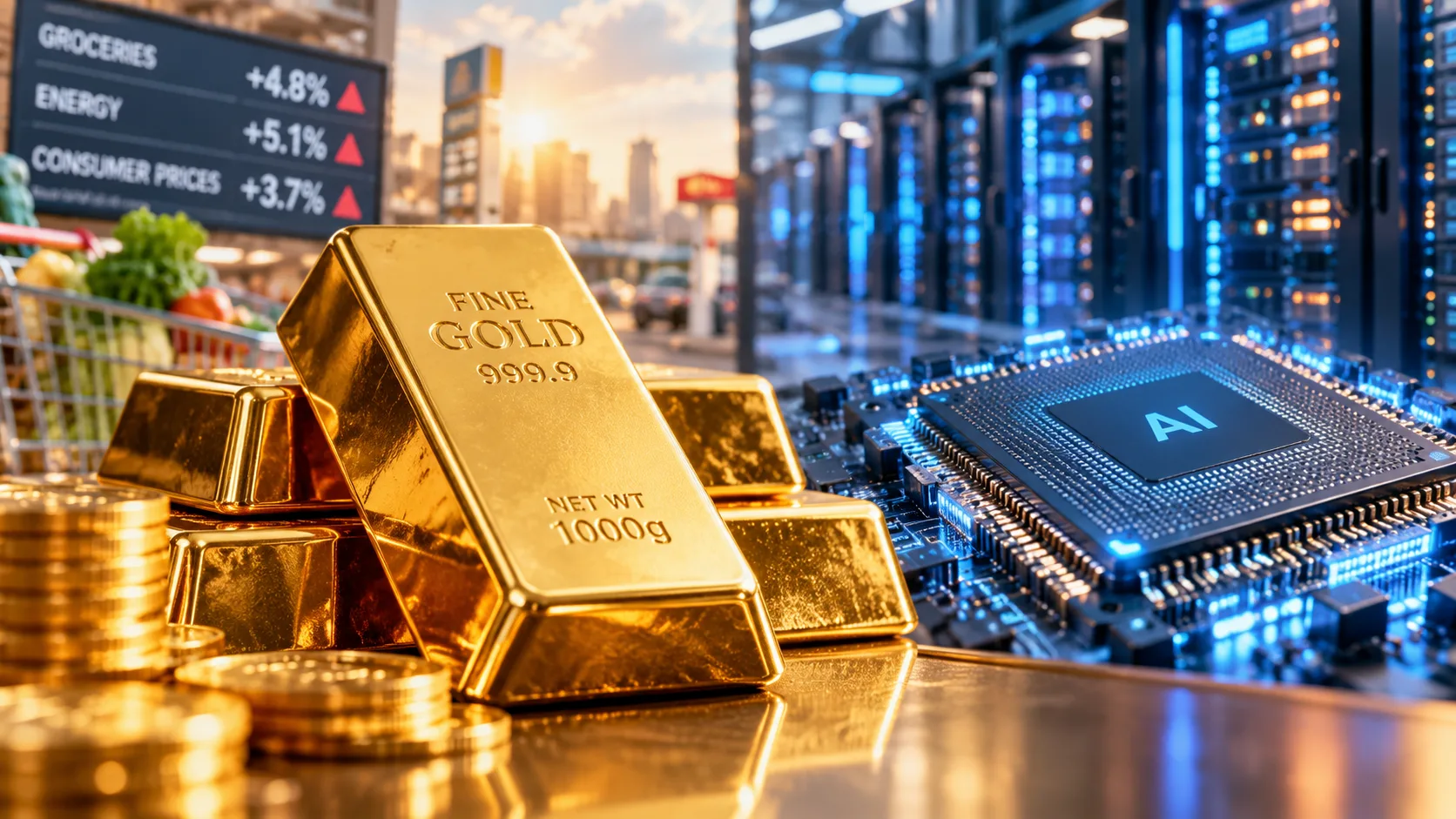
After a volatile stretch tied to geopolitical tensions in the Middle East, precious metals jumped sharply following news of a cease-fire between the United States and Iran. The rally signals something more important than just short-term relief. It may mark the beginning of a new upward cycle driven by macroeconomic forces that are quietly building beneath the surface.
Precious Metals Rebound as War Premium Fades
Gold and silver prices surged midweek as markets reacted to signs of de-escalation between the U.S. and Iran. The shift in sentiment immediately changed how investors are pricing risk.
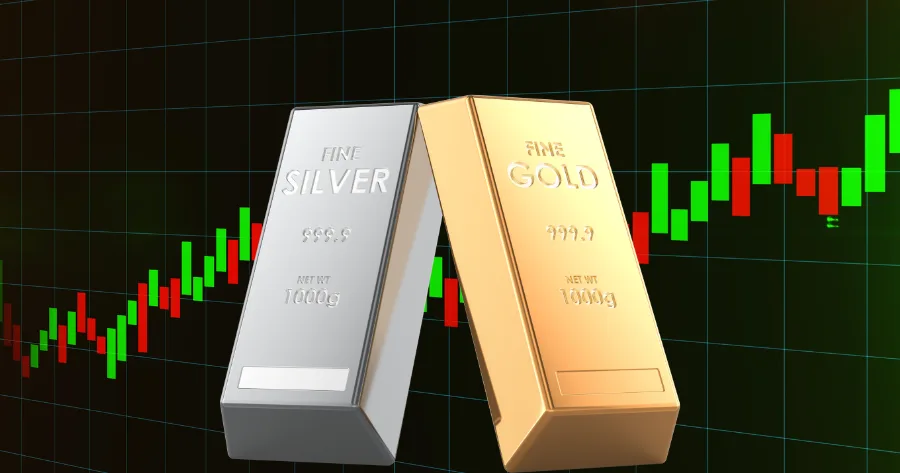
Gold futures climbed roughly 3 percent, reaching around $4,822 per ounce. Silver outperformed, jumping about 7 percent in early trading.
This move may seem counterintuitive at first. Traditionally, gold rises during geopolitical conflict as a safe haven. But in this case, the dynamic is more nuanced.
During the height of the Iran conflict, rising oil prices pushed inflation expectations higher. That made it harder for the Federal Reserve to justify cutting interest rates. Higher rates tend to weigh on gold and silver because these assets do not generate income.
Now that tensions appear to be easing, markets are shifting expectations again. Lower energy prices could reduce inflation pressure, opening the door for rate cuts. That is a bullish setup for precious metals.
Interest Rates Are Still the Main Driver
At the core of gold’s long-term outlook is one key factor: real interest rates.
When interest rates fall, especially after adjusting for inflation, gold becomes more attractive relative to bonds and cash. Investors begin shifting capital into hard assets as a hedge against currency debasement and economic uncertainty.
The cease-fire has reignited expectations that the Federal Reserve could pivot sooner than previously thought. If that scenario plays out, gold and silver could see sustained upward momentum.
This is especially important given the broader macro backdrop. The U.S. economy is showing mixed signals, with resilient consumer spending but ongoing concerns about debt levels, fiscal deficits, and slowing global growth.
Central Bank Selling Has Been a Headwind
One of the lesser-discussed factors dragging on gold prices recently has been central bank activity.
Several countries have reportedly sold or lent out gold reserves during the recent conflict. Turkey alone is estimated to have moved roughly $20 billion worth of gold in an effort to stabilize its currency.
Other nations, including Poland and Russia, have also been flagged as potential sellers.
This selling pressure has created short-term downward pressure on prices, even as broader demand for gold remains strong globally.
However, if geopolitical tensions ease and currencies stabilize, that selling could slow or reverse. Central banks have been net buyers of gold over the long term, particularly in emerging markets looking to diversify away from the U.S. dollar.
A shift back toward accumulation could provide another tailwind for prices.
The Bigger Picture: Stagflation and Dollar Weakness
According to analysts at UBS, the current environment is setting up for a much larger move in gold.
Strategist Dominic Schnider recently pointed to several powerful forces that could drive prices significantly higher over the next 18 to 24 months.
“The medium-term tailwinds—stagflation risks, U.S. election uncertainty, and the prospect of a weaker U.S. dollar alongside falling real rates—should support a move toward $5,900/oz by late 2026.”
That forecast implies a substantial upside from current levels.
Each of those factors deserves attention:
- Stagflation risk: Slowing growth combined with persistent inflation is historically one of the strongest environments for gold.
- Political uncertainty: U.S. elections tend to introduce volatility, especially around fiscal and monetary policy expectations.
- Weaker dollar: Gold typically rises when the dollar declines, as it becomes cheaper for international buyers.
- Falling real rates: The single most important long-term driver for gold prices.
Why Silver Could Outperform Gold
While gold gets most of the headlines, silver may offer even greater upside in certain scenarios.
Silver has a dual role as both a monetary metal and an industrial commodity. That means it benefits not only from safe-haven demand but also from economic expansion, particularly in sectors like:
- Solar energy
- Electric vehicles
- Electronics manufacturing
If global growth stabilizes while interest rates fall, silver could outperform gold due to its industrial exposure.
That is already starting to show. The sharper percentage move in silver compared to gold following the cease-fire suggests investors are positioning for both monetary easing and economic recovery.
What Could Go Wrong
No investment thesis is without risks, and there are several factors that could derail the bullish case for precious metals.
- Persistent inflation without rate cuts: If inflation remains elevated and the Fed keeps rates higher for longer, gold could struggle.
- Stronger U.S. dollar: A rising dollar would pressure gold prices.
- Renewed geopolitical conflict: Ironically, while gold is a safe haven, certain types of conflict can push inflation higher and delay rate cuts, which hurts gold in the short term.
Investors should also watch central bank behavior closely. Continued large-scale selling could cap upside in the near term.
What This Means for Investors
The recent rebound in gold and silver is not just a reaction to headlines. It reflects a deeper shift in how markets are thinking about interest rates, inflation, and global stability.
If the cease-fire holds and inflation pressures ease, the path toward lower interest rates becomes clearer. That creates a favorable environment for precious metals.
At the same time, structural forces like government debt, geopolitical fragmentation, and currency diversification are likely to support long-term demand.
For investors, this presents a potential opportunity to position ahead of what could be the next major move in gold and silver.
The key is understanding that this is not just a short-term trade. It is part of a broader macro cycle that is still unfolding.
About Author