
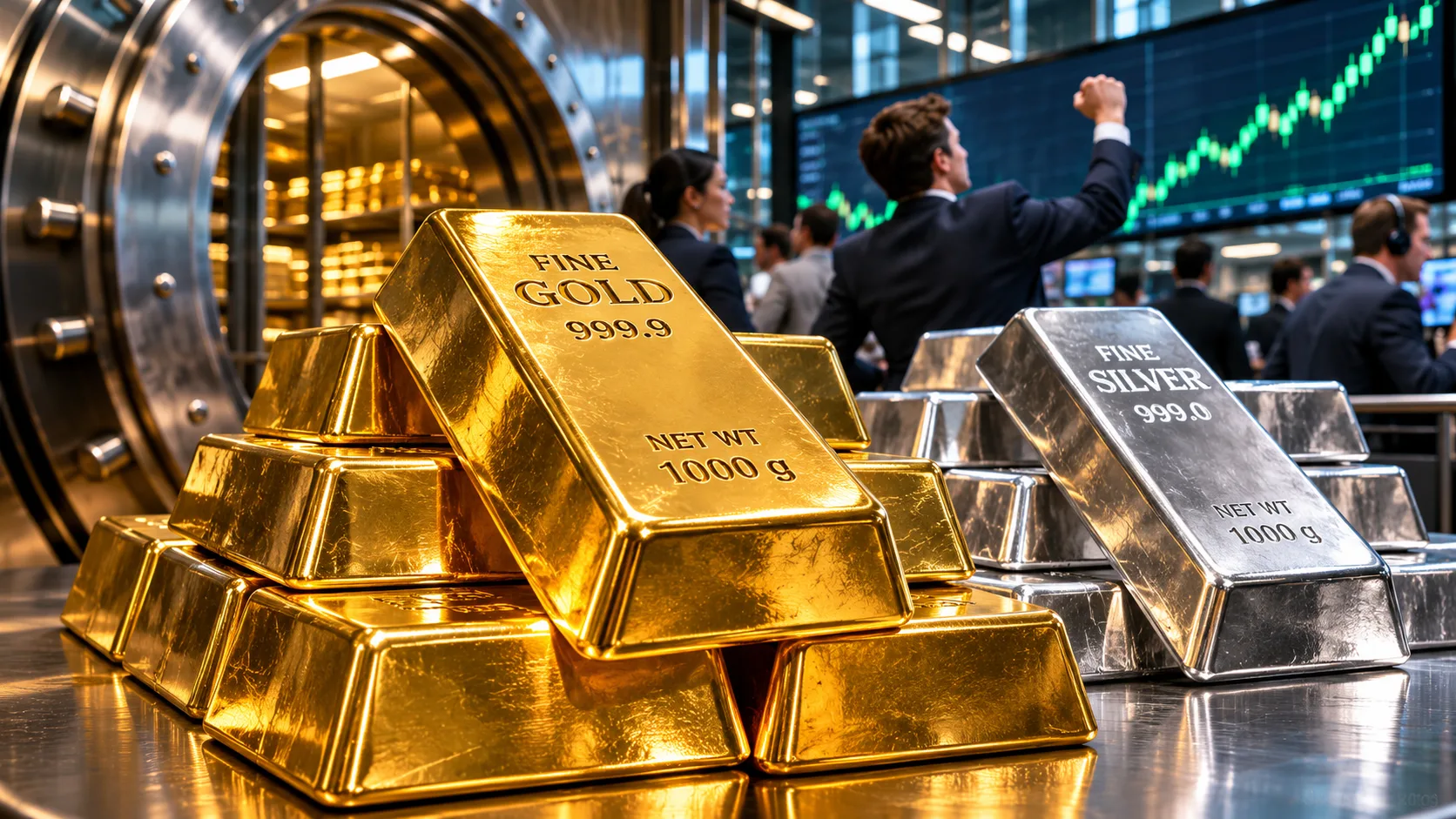
Gold and silver are staging one of their strongest rallies in months, with precious metals and mining stocks surging as investors react to the U.S. midterm elections, a weakening dollar, and falling Treasury yields.
Gold futures climbed above $4,150 an ounce Thursday, while silver approached $53.50. Both metals are on track for their strongest weekly gains since August, and several major gold mining stocks have already jumped more than 13% this week.
The rapid reversal is drawing attention across Wall Street, particularly as investors reassess interest rates, inflation, and the economic consequences of a major political shift in Washington.
Gold and Silver Are Having Their Best Week in Months
December gold futures reached $4,155.80 an ounce Thursday, their highest level since October 22. December silver futures climbed as high as $53.49, reaching levels last seen in late October.
Gold has gained more than 5% this week, while silver has advanced more than 6%.
The rally follows a volatile period for precious metals. Just last Friday, spot gold touched a one-year low of approximately $3,870 before reversing sharply.
Wednesday alone delivered a gain of roughly 3.4% in spot gold, its largest single-day advance since August 19.
The rebound has been substantial enough to put precious metals among the week’s strongest-performing major asset classes.
Precious Metals Market Snapshot
Thursday, November 5, 2026. Intraday futures prices and approximate weekly performance.
| Asset | Price or Weekly Performance |
|---|---|
| Gold futures | High of $4,155.80 |
| Silver futures | High of $53.49 |
| Gold weekly gain | More than 5% |
| Silver weekly gain | More than 6% |
| VanEck Gold Miners ETF (GDX) | More than 10% this week |
| Equinox Gold | More than 15% this week |
| Harmony Gold | More than 13% this week |
| IAMGOLD | More than 13% this week |
Prices and returns are subject to change throughout trading.
Why the Election Is Sending Gold Prices Higher
The rally accelerated after Democrats won control of both chambers of Congress in Tuesday’s midterm elections, forcing investors to reconsider the outlook for federal spending, international conflicts, and monetary policy.
Three developments are helping drive the sudden surge.
1. The U.S. dollar is weakening.
The dollar has fallen to its lowest level in more than a month following the election.
Gold is priced in dollars internationally. When the dollar weakens, gold becomes less expensive for investors holding other currencies, potentially increasing international demand.
A weaker dollar can also encourage investors to shift some capital into hard assets, particularly when uncertainty surrounds future government policy.
2. Treasury yields are falling.
U.S. government bond yields have declined as investors reassess economic growth, inflation, and the likelihood of additional Federal Reserve interest rate increases.
Gold does not pay interest. Consequently, higher bond yields can make Treasury securities more appealing relative to bullion.
When yields decline, the opportunity cost of holding gold generally falls, improving its relative attractiveness.
3. Falling oil prices are easing inflation fears.
Oil prices have retreated sharply as investors weigh the possibility that Washington’s changed political balance could reduce the risk of further escalation in the conflict with Iran.
Brent crude fell nearly 9% Wednesday, according to Reuters.
Lower energy prices can ease inflationary pressures throughout the economy. That could reduce pressure on the Federal Reserve to maintain increasingly restrictive monetary policy.
Together, a weaker dollar, lower Treasury yields, and easing energy prices have created favorable conditions for precious metals.
Gold Mining Stocks Are Rising Even Faster
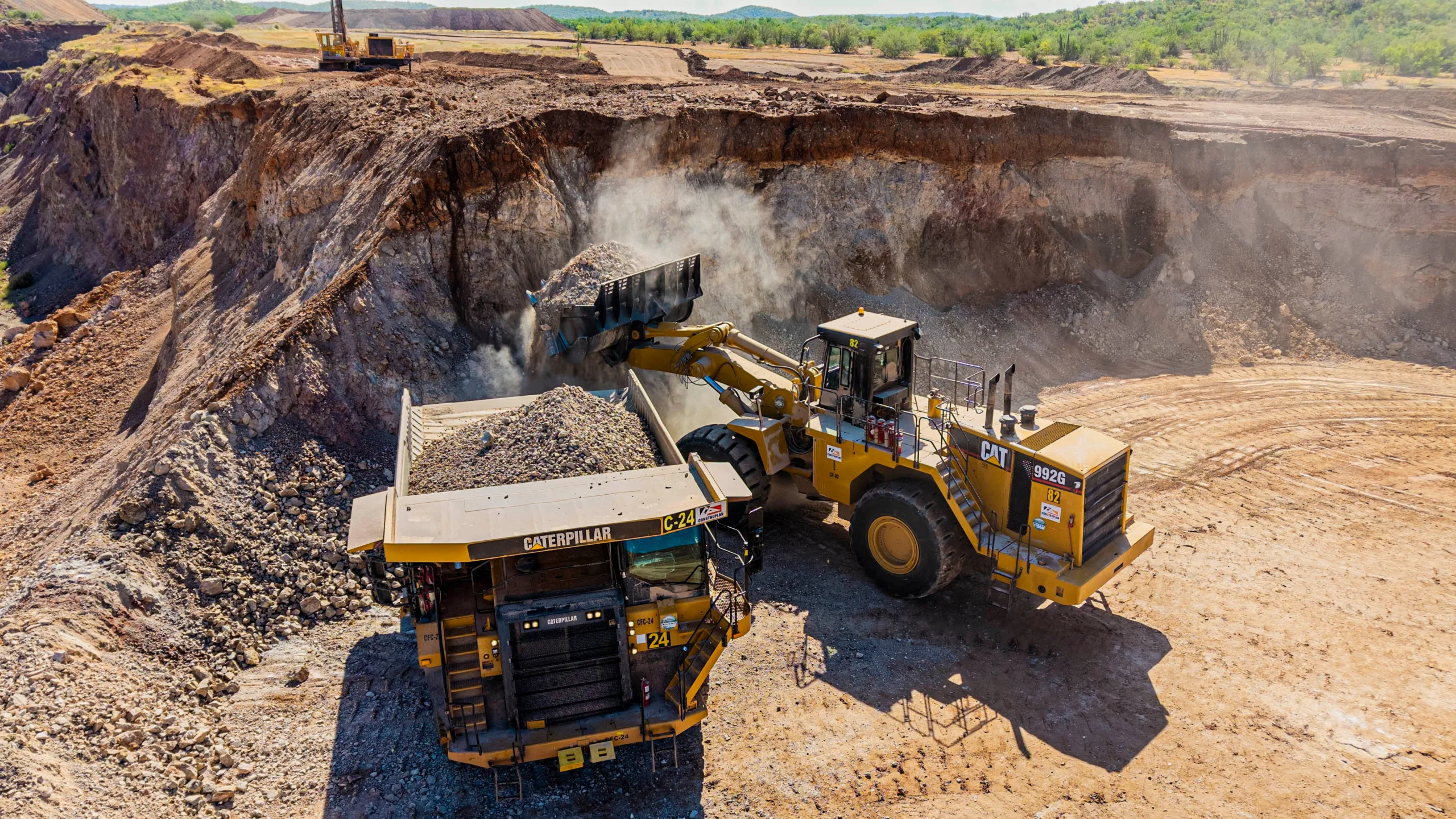
The biggest opportunities and risks may be emerging in the companies that produce gold rather than in the metal itself.
The VanEck Gold Miners ETF, which tracks a basket of major gold producers, has climbed more than 10% this week, roughly twice gold’s percentage advance.
Individual mining companies have recorded even larger gains.
Equinox Gold has advanced more than 15%, while Harmony Gold and IAMGOLD have each risen more than 13%.
This outperformance reflects the economics of gold mining.
A mining company’s revenue generally increases when the selling price of gold rises. However, many operating expenses, including labor, equipment, and certain production costs, do not necessarily increase at the same rate.
That means higher gold prices can produce a disproportionately large improvement in operating margins.
Why a 5% Gold Rally Can Mean Much More for Miners
Consider a simplified example of a gold mining company producing an ounce of gold at an all-in sustaining cost of $3,000.
At a gold price of $4,000, the company generates a margin of approximately $1,000 per ounce before other corporate costs and adjustments.
If gold rises 5% to $4,200, that margin increases to $1,200.
The gold price has increased just 5%, but the illustrative margin has improved 20%.
Actual mining economics vary considerably depending on production costs, debt, taxes, hedging agreements, and operational performance.
Nevertheless, the example helps explain why mining equities can rise substantially faster than bullion when gold prices recover.
The reverse is equally important. If gold prices fall, mining profits and share prices can decline even more sharply.
Silver May Have an Additional Advantage
Silver’s rally deserves particular attention because the metal has a different economic profile from gold.
Gold primarily attracts demand from investors, central banks, and buyers seeking a store of value.
Silver serves those purposes as well, but it is also widely used in industrial applications, including electronics, electrical equipment, and solar energy technology.
This creates two possible sources of demand.
Silver can benefit from monetary conditions that favor precious metals while also gaining from stronger industrial activity.
That combination helps explain why silver sometimes experiences larger percentage movements than gold.
However, industrial exposure cuts both ways. If economic growth slows sharply, weaker manufacturing demand can place additional pressure on silver prices.
For investors, silver may offer greater upside during a broad precious metals rally, accompanied by substantially greater volatility.
The Most Important Signal May Be Coming From the Bond Market
While the election is dominating headlines, the direction of Treasury yields may ultimately determine whether gold’s rally continues.
The Federal Reserve remains focused on inflation and economic conditions, and investors are still weighing the possibility of additional interest rate increases.
A sustained decline in yields could strengthen demand for precious metals, particularly if inflation expectations remain relatively stable.
The distinction between nominal and inflation-adjusted interest rates matters here.
Gold is generally sensitive to real yields, which account for expected inflation. If nominal Treasury yields fall while inflation expectations hold steady, real yields decline and gold becomes more attractive relative to interest-bearing assets.
But the relationship can change quickly.
If upcoming economic reports suggest inflation remains stubborn or the labor market is stronger than expected, Treasury yields could recover and put pressure on gold prices.
That makes the next round of economic data particularly important.
A Strong Gold Rally Does Not Necessarily Mean Investors Are Panicking
Gold is frequently associated with financial crises, geopolitical conflict, and fears about the economy.
Yet the current rally has developed while investors are also reassessing the possibility of easing geopolitical tensions and lower inflation.
This is an important distinction.
Gold can rise because investors are worried about economic conditions. It can also rise when the dollar weakens and interest rates decline, even if the broader economic outlook improves.
The current rally appears to reflect a combination of monetary conditions, election-related repricing, and traders closing bearish positions.
When investors who previously bet against gold rush to close those positions, their purchases can accelerate an existing rally.
That short-covering activity may help explain the speed of the recent rebound.
It also introduces a potential risk. Once short covering subsides, the rally will need continued investment demand to sustain its momentum.
For that reason, several days of dramatic gains do not automatically establish the beginning of a lasting bull market.
Three Developments Investors Should Watch Now
Friday’s employment report: The November 6 U.S. jobs report could influence expectations for the Federal Reserve’s December policy decision. Stronger-than-expected employment figures could push yields and the dollar higher, creating a potential headwind for precious metals.
Gold’s ability to remain above $4,000: Gold recently reclaimed this psychologically important threshold after a steep decline. Holding above it would support confidence in the recovery, while a sustained break below could signal renewed selling pressure.
The performance of mining stocks: Mining equities are currently outperforming bullion by a wide margin. Continued strength could indicate that investors expect higher gold prices to translate into improved corporate earnings. A reversal in mining shares while bullion remains firm could suggest investors are becoming more cautious about the rally’s durability.
Oil prices and developments involving Iran will also remain important. Another surge in energy prices could revive inflation concerns and complicate the interest rate outlook.
What This Rally Means for Investors
Gold’s recovery above $4,150 represents a significant turnaround from last week’s lows.
The combination of a weaker dollar, lower Treasury yields, and declining oil prices has created conditions favorable to precious metals. Mining shares have responded with even larger gains as investors anticipate the potential earnings benefits of higher bullion prices.
But the next phase of the rally will depend on whether those conditions persist.
For investors seeking exposure, the choice between physical gold, precious metals funds, and mining stocks matters. Each carries different risks, including price volatility, company-specific execution, and exposure to production costs.
The most encouraging development for gold bulls is the breadth of the rebound across bullion, silver, and mining equities.
The biggest near-term threat is a reversal in interest rate expectations.
With gold above $4,150, silver approaching $53.50, and some mining stocks gaining more than 15% in a single week, precious metals have once again become one of Wall Street’s most closely watched trades.
Whether this becomes a sustained advance or a short-lived rebound could depend heavily on Friday’s economic data and the bond market’s reaction.
About Author