

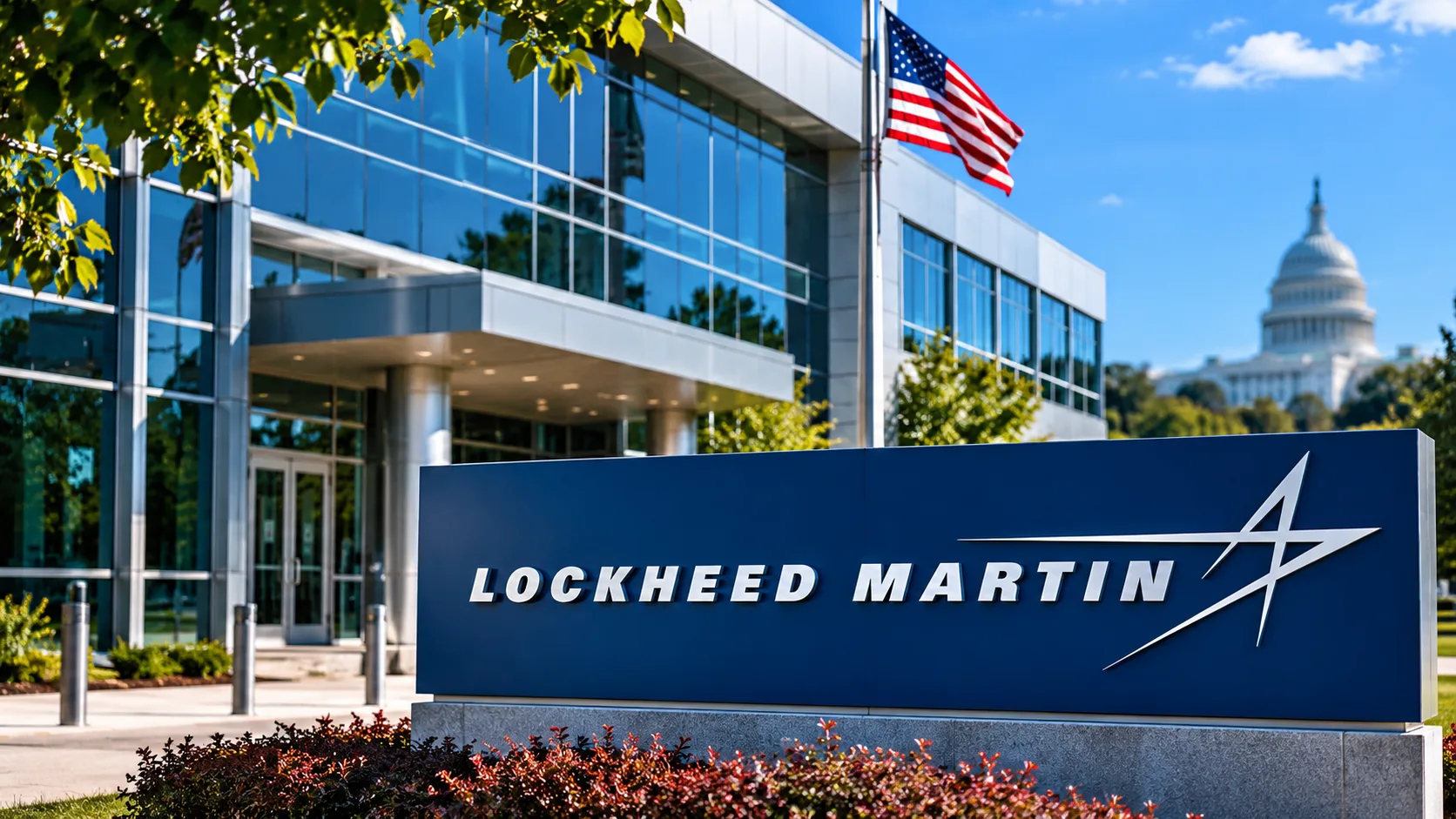
One of America’s largest defense contractors has agreed to pay $29.5 million to settle federal allegations that its diversity initiatives discriminated against white employees in decisions involving bonuses, compensation, and career advancement.
The settlement with Lockheed Martin marks a major victory for the Trump administration’s campaign against corporate diversity, equity, and inclusion (DEI) programs. It also sends a warning to thousands of companies that rely on federal government contracts.
The agreement, announced by the Justice Department on November 3, comes after a former Lockheed Martin executive accused the company of pressuring managers to change employee compensation decisions based on race.
Lockheed Martin denies wrongdoing and has admitted no liability. However, the financial penalties and new compliance requirements could have implications far beyond the defense industry.
How the $29.5 Million Settlement Breaks Down
The settlement involves two separate federal investigations into Lockheed Martin’s employment practices.
Under the agreement:
- $22 million will go to the U.S. government to resolve Justice Department allegations that Lockheed Martin violated federal contracting requirements.
- $7.5 million will be distributed to more than 1,000 employees affected by alleged discrimination, under a separate Equal Employment Opportunity Commission (EEOC) agreement.
- $4.4 million will be awarded to former Lockheed Martin executive Tim Booher under the False Claims Act’s whistleblower provisions. This amount comes from the government’s recovery.
The EEOC says the agreement represents the largest publicly disclosed group of workers to receive compensation through an EEOC settlement involving alleged discrimination connected to corporate DEI practices.
Federal authorities alleged that Lockheed Martin favored certain employees based on race when making decisions about compensation, performance evaluations, and advancement opportunities.
Lockheed Martin maintains that it did not engage in unlawful discrimination.
The company said it reached the agreements to avoid the cost and disruption of extended litigation and remain focused on its national security responsibilities.
The Bonus Program at the Center of the Investigation
The controversy centers on an employee compensation program introduced in 2021.
Known as the Compensation Adder program, the initiative was designed to reward approximately the top 20% of employees within designated business groups with additional pay increases.
Managers nominated employees based on performance and other merit-related considerations. Those nominations were subsequently reviewed through a statistical process that examined differences in the racial and gender composition of the selections.
According to the Justice Department, some lists were flagged when the demographic makeup raised concerns.
Federal investigators alleged that Lockheed Martin personnel subsequently pressured managers to change their selections, including removing white employees and adding minority employees to address those statistical differences.
The government also alleged that race or sex influenced certain hiring, promotion, mentoring, and leadership-development opportunities.
These accusations formed the basis of the government’s case that the company violated federal anti-discrimination requirements while certifying compliance with its government contracts.
The allegations were resolved through settlement, without a court determination that Lockheed Martin violated the law.
A Former Executive Could Receive $4.4 Million
One of the most significant aspects of the case involves Tim Booher, a former Lockheed Martin vice president whose whistleblower allegations helped trigger federal scrutiny.
Booher claimed that company personnel pressured managers to alter compensation decisions to satisfy diversity objectives.
He resigned from Lockheed Martin in May 2023, later pursuing allegations that the company’s practices violated federal law.
His whistleblower lawsuit was filed in federal court in Texas in 2025.
Under the False Claims Act, individuals who report certain types of fraud involving federal funds can receive a percentage of the government’s eventual financial recovery.
Booher is set to receive $4.4 million, representing 20% of the Justice Department’s $22 million settlement.
That payment could become an important incentive for employees at other federal contractors who believe corporate policies conflict with federal legal requirements.
It also highlights a growing financial risk for companies: internal employment disputes can potentially develop into federal investigations involving substantial monetary penalties.
Trump Administration Expands Its Crackdown on Corporate DEI Programs
The Lockheed Martin settlement is part of a broader effort by the Trump administration to challenge corporate diversity initiatives that federal officials believe unlawfully influence employment decisions.
The Justice Department has increasingly relied on the False Claims Act, a law dating to 1863 that was originally enacted to combat fraud against the federal government.
Companies receiving federal contracts are generally required to certify compliance with applicable anti-discrimination rules.
The administration’s legal approach argues that a company may face False Claims Act liability if it receives federal money while falsely certifying compliance with those requirements.
The Justice Department has reached related settlements involving IBM, Deloitte, and Accenture.
The Lockheed Martin agreement is particularly significant because of the company’s extensive relationship with the federal government and its role in major U.S. defense programs.
The administration’s enforcement strategy could encourage other federal contractors to reassess how their diversity initiatives affect decisions involving hiring, pay, promotions, and professional development.
Civil rights organizations have challenged aspects of the administration’s anti-DEI agenda, arguing that some policies threaten legitimate efforts to address employment discrimination and improve equal opportunity.
The central legal distinction involves whether a workplace program promotes equal access and opportunity or results in employment decisions that unlawfully favor individuals because of protected characteristics.
What the Settlement Means for Lockheed Martin Investors
For shareholders of Lockheed Martin (NYSE: LMT), the immediate financial impact is likely to be relatively limited compared with the scale of the company’s defense operations.
The broader implications involve regulatory exposure, federal contracting requirements, and corporate compliance costs.
1. Federal Contracting Risks Are Growing
Lockheed Martin depends heavily on U.S. government spending, making its relationship with federal regulators particularly important.
The False Claims Act gives federal authorities a powerful enforcement mechanism because violations can lead to substantial financial penalties and, in some circumstances, additional consequences affecting government contracting.
The current settlement does not establish that Lockheed Martin will lose government contracts.
However, it demonstrates that employment-related compliance issues can create meaningful financial exposure for companies whose primary customer is the federal government.
2. Corporate Compliance Costs Could Increase
Large defense contractors operate complex personnel systems involving compensation, hiring, promotions, training, and employee development.
The Lockheed Martin case could prompt companies to conduct more extensive reviews of those systems, particularly where demographic information influences compensation or advancement processes.
Such reviews may involve outside legal counsel, human resources audits, employee training, and changes to internal oversight.
For an individual company, those costs may be manageable. Across the federal contracting sector, however, expanded compliance requirements could become an ongoing expense.
3. Investors Should Watch for Additional Investigations
The Justice Department’s willingness to pursue False Claims Act allegations involving corporate employment practices creates another category of potential litigation risk.
Companies with substantial federal contracts may face increased scrutiny of how they implement internal workplace policies.
Investors should pay attention to disclosures involving regulatory investigations, material legal proceedings, settlements, and changes to corporate compliance programs.
The immediate stock market impact of any individual settlement may be modest, while the longer-term importance depends on whether enforcement expands and whether companies face repeat violations or larger liabilities.
The Bigger Risk May Be Inside Corporate America
The most consequential development may be the increasing role of whistleblowers in federal investigations involving corporate employment policies.
The $4.4 million award to Booher illustrates the potential financial incentives available to individuals who bring successful False Claims Act allegations.
That could lead to more complaints from employees and former executives who believe they have evidence of unlawful corporate practices.
The Lockheed Martin case also illustrates how decisions originally handled within human resources departments can escalate into federal contracting disputes.
For corporate boards, that creates a governance challenge. Companies must ensure that employment programs comply with applicable laws while maintaining consistent hiring and compensation standards.
For investors, the important question is whether companies have sufficient internal controls to identify these concerns before they become expensive legal matters.
A Settlement Does Not Establish Guilt
Although the federal government secured a substantial payment, Lockheed Martin continues to dispute the underlying allegations.
The settlement agreements expressly state that the resolution does not constitute an admission of liability.
That distinction matters because the company’s disputed employment practices were not established as unlawful through a trial.
The case also does not establish that all diversity initiatives violate federal law. Employers remain subject to laws prohibiting discrimination based on race and other protected characteristics, and the legality of particular programs depends on how they operate.
Still, the administration’s enforcement strategy has changed the regulatory environment facing companies with federal contracts.
What Happens Next
Several developments will determine how significant the settlement becomes for corporate America.
Additional federal investigations: The Justice Department could pursue similar cases against other contractors, particularly those with compensation or promotion practices that regulators believe improperly consider race or sex.
Changes to corporate employment policies: Businesses may revise internal procedures to reduce legal exposure and demonstrate compliance with federal requirements.
Whistleblower complaints: The size of the Lockheed Martin whistleblower award may encourage additional employees or former executives to report suspected violations.
Legal challenges: Ongoing litigation over federal anti-DEI policies could help clarify the government’s enforcement authority and the legal boundaries of workplace diversity programs.
Lockheed Martin disclosures: Investors should monitor future financial reports and regulatory filings for information about legal expenses, compliance commitments, or additional investigations.
The Bottom Line for Investors
Lockheed Martin’s $29.5 million settlement represents a significant escalation in the Trump administration’s efforts to challenge corporate diversity practices through federal enforcement.
The company denies wrongdoing, but the agreement demonstrates how employment policies can expose major government contractors to substantial financial penalties and regulatory scrutiny.
For Lockheed Martin shareholders, the settlement itself is unlikely to reshape the company’s long-term investment outlook. Its broader significance lies in the possibility of expanded enforcement across the defense and federal contracting industries.
The warning to corporate America is clear: employment decisions involving race or sex can create substantial legal and financial exposure, particularly when federal contracts are involved.
About Author