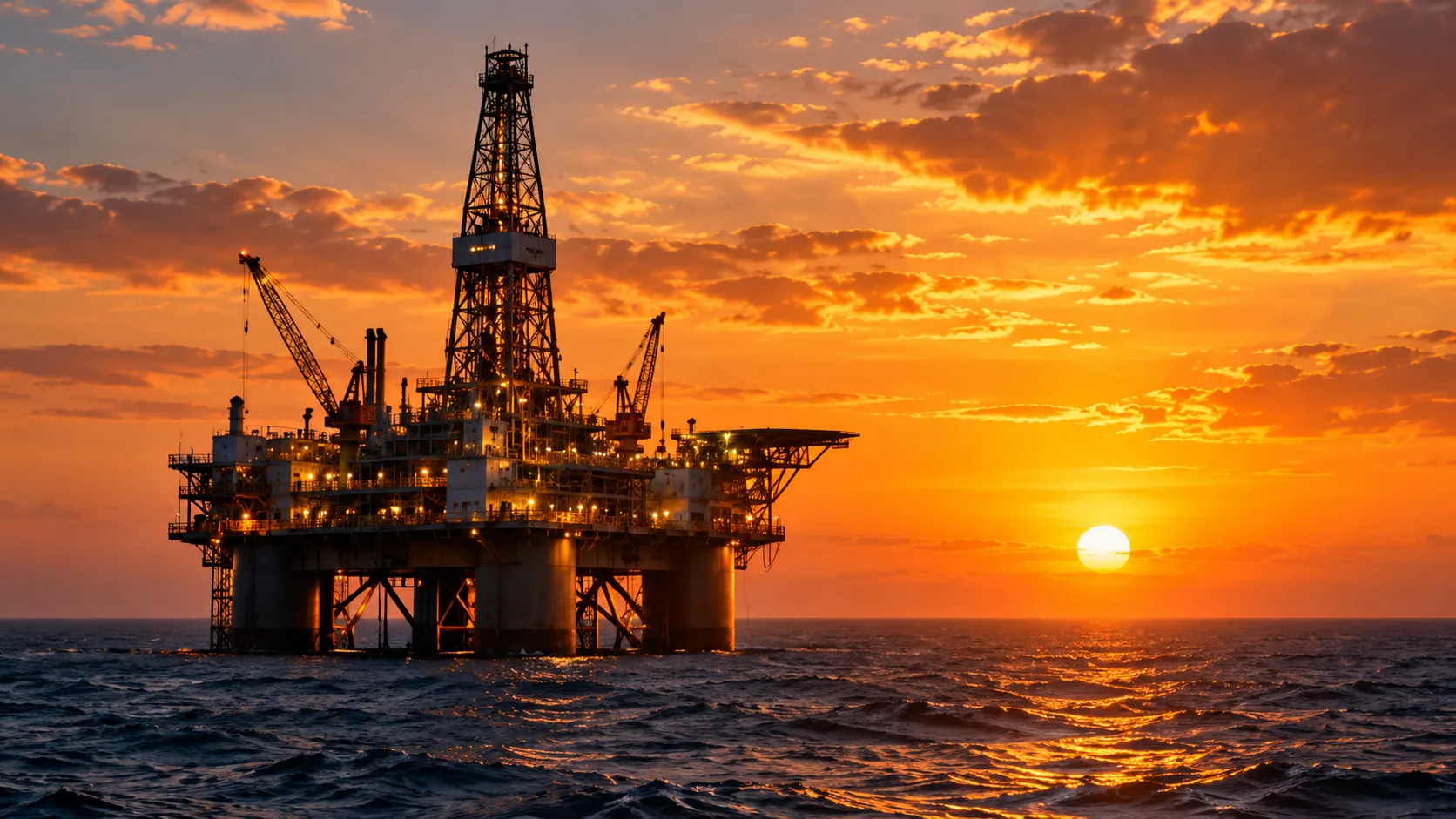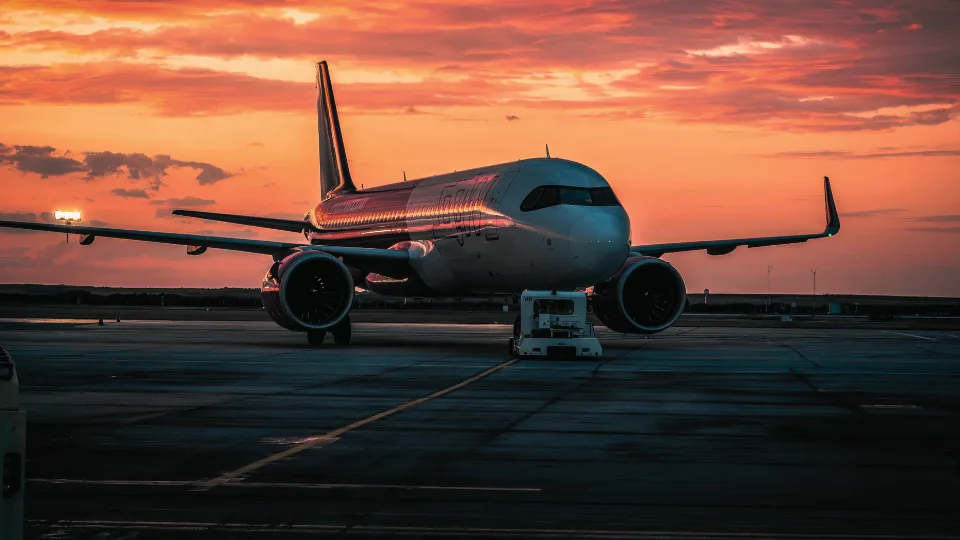
Cuba has entered a new phase of its worsening energy crisis after announcing that international airlines will no longer be able to refuel on the island, a move that threatens tourism, air travel, and already fragile economic stability. The decision comes as President Donald Trump intensifies pressure on the Cuban government through energy restrictions and tariff threats aimed at countries supplying the communist nation with oil.
Cuban authorities warned carriers that aviation fuel supplies are exhausted and will remain unavailable for weeks, forcing airlines to refuel in other countries or adjust operations. The situation marks one of the clearest signs yet that Cuba’s energy infrastructure is under severe strain.
A Jet Fuel Shortage That Signals a Broader Crisis
Cuba informed international airlines that jet fuel would not be available beginning February 10 due to a worsening fuel shortage tied to disruptions in oil imports. The country’s main fuel supplier, Venezuela, halted shipments in December after intensified U.S. pressure, triggering a chain reaction across Cuba’s energy system.
To conserve limited reserves, the Cuban government moved to stop refueling for foreign airlines across all international airports. Officials warned the shortage could last at least a month and would affect tourism, transportation, and key services nationwide.
This aviation disruption is not an isolated issue. It reflects a deeper structural energy crisis gripping the island, where shortages of diesel, gasoline, and electricity have already triggered blackouts, fuel rationing, and reduced public services.
Trump’s Pressure Campaign Tightens the Energy Squeeze
The current crisis is unfolding under a new phase of U.S. policy toward Cuba. President Trump has declared Cuba an “unusual and extraordinary threat” and moved to restrict the island’s access to foreign oil supplies. His administration has warned that tariffs may be imposed on any country that provides fuel to Cuba, whether directly or indirectly.
The strategy has had immediate consequences. Mexico, which became a major supplier after Venezuela reduced shipments, has paused oil exports to avoid potential U.S. trade penalties.
At the same time, U.S. actions targeting Venezuelan oil flows have further limited Cuba’s access to energy. The loss of Venezuelan crude, historically the backbone of Cuba’s fuel system, has sharply reduced the country’s ability to maintain electricity production, transportation, and aviation operations.
Russia Calls Situation “Truly Critical”
Russia, one of Cuba’s remaining allies, has described the island’s fuel situation in stark terms. Kremlin spokesperson Dmitry Peskov said:
“The situation in Cuba is truly critical. We know this. We are in intensive contact with our Cuban friends through diplomatic and other channels. Indeed, let’s say the U.S.’s stranglehold is causing many difficulties for the country.”
Moscow has pledged continued support, though its ability to fully replace lost Venezuelan and Mexican oil remains uncertain.
Even with external assistance, Cuba faces structural weaknesses. The country relies heavily on imported oil, with domestic energy production covering only a fraction of demand. Aging infrastructure and limited refining capacity compound the problem.
Emergency Measures Across the Cuban Economy
As fuel shortages deepen, Cuban authorities have implemented sweeping austerity steps to preserve essential services. Measures include:
- Fuel rationing for transportation and industry
- Reduced work weeks for state-run companies
- Shortened school schedules
- Closure of some tourist facilities
- Reduced electricity availability and blackouts
These actions reflect how central fuel imports are to the Cuban economy. Without stable energy supply, the island struggles to maintain tourism, manufacturing, and even basic public services.
Energy shortages have also created long fuel lines, rising frustration among citizens, and increased pressure on the government to find alternative supply channels.
Aviation Disruptions and Tourism Risk
Tourism remains one of Cuba’s most important economic pillars, making the aviation fuel crisis particularly damaging. Airlines flying into Havana and other cities must now refuel abroad in locations such as Panama, the Dominican Republic, or the United States, increasing operational costs and complexity.
Flight disruptions threaten hotel occupancy, travel demand, and foreign currency inflows, all of which Cuba desperately needs amid its broader economic downturn.
For airlines, the situation adds logistical uncertainty and potential financial strain. For Cuba, it risks cutting off one of the few remaining sources of economic stability.
A Crisis Rooted in Oil Dependency
Cuba’s energy vulnerability is not new. The country has historically depended on external partners for oil, from the Soviet Union during the Cold War to Venezuela in recent decades. When those supply chains weaken, the island’s economy quickly destabilizes.
Fuel shortages have repeatedly triggered blackouts and protests in recent years, highlighting how fragile the system has become. The current crisis is being compared by some analysts to earlier periods of severe economic contraction.
Today’s situation reflects a convergence of factors:
- Reduced Venezuelan oil shipments
- U.S. pressure and sanctions tightening energy flows
- Mexico halting exports under tariff risk
- Aging infrastructure and limited domestic production
Together, these forces have created one of the most serious energy shortages Cuba has faced in years.
Geopolitical Stakes Rising
Beyond the immediate economic impact, the crisis is becoming a geopolitical flashpoint. The United States is attempting to isolate Cuba by targeting its energy lifelines, while Russia and other allies seek to maintain influence by offering support.
Cuba’s leadership has condemned U.S. actions, accusing Washington of using economic pressure to force regime change. Meanwhile, diplomatic tensions are rising as countries supplying oil weigh humanitarian concerns against the risk of U.S. tariffs.
The outcome could reshape regional dynamics in the Caribbean and influence energy and trade relationships across Latin America.
What Happens Next
Several potential scenarios are emerging:
- Short-Term Relief Through Alternative Suppliers
Cuba may secure emergency fuel shipments from Russia or other partners, easing the aviation crisis temporarily. - Prolonged Energy Shortage
If oil supplies remain restricted, blackouts and economic disruptions could worsen, impacting tourism, transportation, and daily life. - Diplomatic Negotiations
Some governments are exploring diplomatic channels to resume fuel flows without triggering U.S. penalties. - Escalating U.S. Pressure
Further sanctions or tariff enforcement could deepen the energy squeeze and accelerate economic deterioration.
Why This Matters
The aviation fuel crisis is more than a logistical issue. It reflects a broader economic and geopolitical struggle unfolding in real time. Energy shortages are hitting transportation, tourism, and everyday life, while global powers maneuver for influence.
For investors and global observers, the situation highlights:
- The strategic importance of energy supply chains
- How sanctions reshape economies quickly
- Rising geopolitical tension in the Western Hemisphere
- The vulnerability of tourism-dependent economies
Cuba’s refueling shutdown is a symptom of a much larger story still developing.
About Author