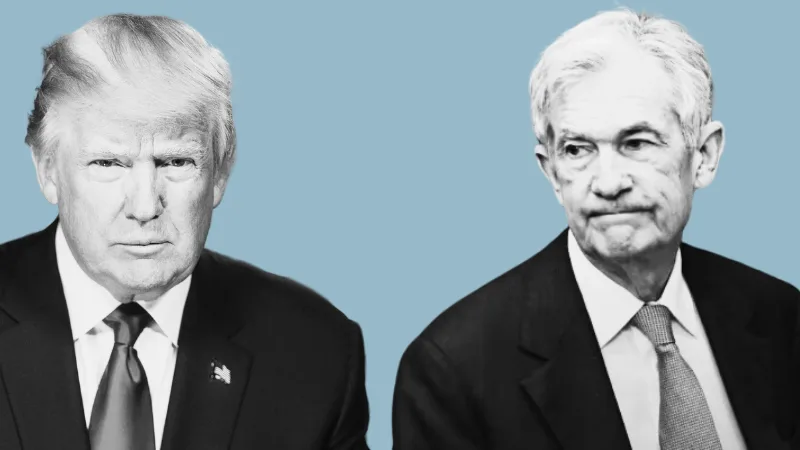
According to reporting from Axios, Trump accused Netanyahu of acting recklessly during a tense phone call Monday, allegedly using expletives and warning the Israeli leader that further escalation would isolate Israel internationally and jeopardize ongoing diplomatic efforts.
For investors already nervous about the possibility of a broader Middle East conflict, the reported clash highlights a growing divide between Washington and Jerusalem at a moment when oil markets, defense stocks, and global risk assets remain highly sensitive to developments in the region.
A Phone Call That Could Reshape the Middle East
The reported conversation came after Iran threatened to abandon negotiations with the United States over Israel’s military operations in Lebanon.
Sources familiar with the call told Axios that Trump expressed intense frustration with Netanyahu’s handling of the situation.
One source summarized Trump’s remarks as:
“You’re f—— crazy. You’d be in prison if it weren’t for me. I’m saving your ass. Everybody hates you now. Everybody hates Israel because of this.”
Another source claimed Trump yelled:
“What the f— are you doing?”
The comments, if accurately reported, represent one of the sharpest public descriptions of tensions between the two leaders since Trump returned to the White House.
The timing is especially significant because the administration has been pursuing a broader diplomatic framework with Iran that reportedly includes provisions aimed at reducing hostilities in Lebanon.
Why Lebanon Suddenly Matters to Every Investor
Many Americans may view the fighting in Lebanon as a regional conflict with limited impact on their portfolios.
History suggests otherwise.
Lebanon sits at the center of a complex web involving Hezbollah, Iran, Israel, Syria, and U.S. interests throughout the region.
When tensions escalate, investors typically begin asking three questions:
- Will oil supplies be disrupted?
- Could Iran become more aggressive?
- Is a larger regional war becoming more likely?
Those questions directly influence:
- Oil prices
- Inflation expectations
- Treasury yields
- Defense stocks
- Airline stocks
- Broader stock market sentiment
Markets have repeatedly shown that even localized military conflicts can create ripple effects throughout global financial markets.
The Deal Trump Doesn’t Want to Lose
According to the Axios report, Trump’s frustration appears tied less to Lebanon itself and more to what the conflict could do to ongoing negotiations with Iran.
The administration has spent months attempting to establish a diplomatic framework that would reduce regional tensions while preventing a broader military confrontation.
Sources told Axios that the memorandum currently under negotiation includes provisions calling for an end to fighting in Lebanon.
If Iran walks away from the talks, several risks immediately emerge:
- Increased military tensions between Iran and Israel
- Greater risk to energy infrastructure
- Higher oil price volatility
- Reduced diplomatic leverage for Washington
- Potential pressure on global equities
From Trump’s perspective, a sudden Israeli escalation could undermine months of negotiations and potentially eliminate one of the administration’s major foreign policy initiatives.
That appears to be what triggered the unusually emotional response.
The Beirut Strike That Never Happened
One of the most notable developments from the reported confrontation is what happened afterward.
According to Axios, Israel had been considering strikes against Hezbollah targets in Beirut.
Following the call, an Israeli official reportedly indicated that such strikes were no longer planned.
If accurate, that suggests Trump’s intervention may have directly influenced Israeli military planning.
The White House has not publicly characterized the conversation in those terms, but the timing has fueled speculation that Washington successfully pressured Israel to avoid a potentially explosive escalation.
For markets, avoiding direct attacks in Beirut may temporarily reduce fears of a wider regional conflict.
However, it does not eliminate the underlying tensions.
Beneath the Surface: A Relationship Showing New Cracks
Trump and Netanyahu have often been viewed as political allies.
During Trump’s previous administration, the two leaders worked closely on several major initiatives, including recognition of Jerusalem as Israel’s capital and the Abraham Accords.
But geopolitical alliances often become more complicated when national interests diverge.
According to officials familiar with the conversation, this was among the most contentious exchanges between the two leaders since Trump’s return to office.
One U.S. official reportedly described Trump as having “steamrolled” Netanyahu during the discussion.
Meanwhile, Netanyahu publicly maintained a firm stance after the call.
In a statement, he reiterated that Israel would continue military operations in southern Lebanon and reserved the right to strike additional targets if Hezbollah attacks persisted.
In other words, the disagreement may have delayed escalation, but it has not resolved the underlying dispute.
Oil Markets Are Watching Every Headline
For investors, perhaps the most important takeaway is what this means for energy markets.
The Middle East remains one of the world’s most critical oil-producing regions.
Whenever military tensions increase, traders begin pricing in the possibility of:
- Supply disruptions
- Shipping interruptions
- Pipeline attacks
- Sanctions escalation
- Broader regional conflict
Even if none of those outcomes occur, uncertainty alone can push oil prices higher.
That matters because higher energy prices often flow through to:
- Gasoline prices
- Transportation costs
- Manufacturing expenses
- Consumer inflation
Those pressures can ultimately affect Federal Reserve policy, corporate earnings, and stock valuations.
The administration appears keenly aware of that risk.
Trump reportedly told CNBC earlier this week that he expects oil prices to fall rather than rise, signaling confidence that a broader crisis can still be avoided.
Whether markets agree remains to be seen.
The Hidden Message Investors Shouldn’t Ignore
The most important lesson may not be about Lebanon at all.
It is about the growing difficulty of balancing diplomacy and military realities in one of the world’s most volatile regions.
The Trump administration appears determined to secure a deal with Iran.
Israel appears determined to maintain military pressure on Hezbollah.
Those objectives are not always compatible.
The reported phone call revealed just how wide that gap may be becoming.
For investors, the danger isn’t necessarily today’s headlines.
It’s the possibility that a single military decision, diplomatic breakdown, or unexpected escalation could rapidly alter the outlook for oil, inflation, interest rates, and global markets.
The Real Risk Is What Happens Next
For now, negotiations between Washington and Tehran appear to be continuing.
Trump posted on Truth Social after the call that discussions were moving forward “at a rapid pace.”
But the situation remains fragile.
Iran has threatened to abandon negotiations.
Israel continues military operations in southern Lebanon.
Hezbollah remains active.
And tensions between two of America’s closest regional allies appear more visible than they have been in months.
For investors, this is exactly the type of geopolitical story worth monitoring closely.
A breakthrough in negotiations could calm markets and reduce pressure on energy prices.
A collapse in talks could have the opposite effect.
And judging from the reported phone call between Trump and Netanyahu, the stakes may be higher than many investors realize.
About Author