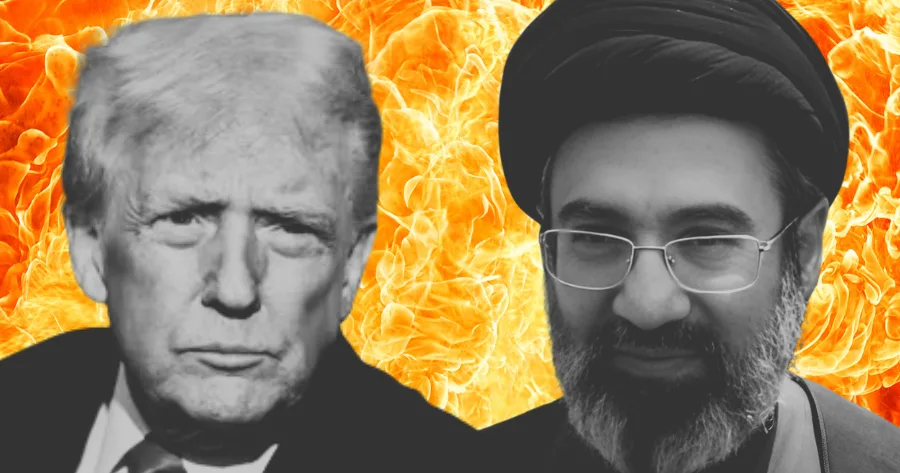
The conflict between the United States and Iran escalated dramatically after U.S. forces launched strikes on nearly 90 military targets across Iran following President Donald Trump’s declaration that the ceasefire had effectively ended.
Iran responded with fresh warnings of retaliation, threatening U.S. military bases across the Middle East while signaling it intends to tighten its grip on the Strait of Hormuz, one of the world’s most strategically important energy chokepoints.
For investors, the latest escalation raises immediate questions about oil prices, inflation, shipping disruptions, and the broader outlook for financial markets.
The World’s Most Important Oil Chokepoint Is Back in Focus
The Strait of Hormuz remains the world’s most important oil transit route.
Roughly one-fifth of global petroleum consumption passes through the narrow waterway connecting the Persian Gulf to the Gulf of Oman. Even the threat of disruptions can send energy markets sharply higher.
Iran’s Islamic Revolutionary Guard Corps (IRGC) Navy claimed Thursday that it has restored approximately 50% of commercial shipping capacity under its supervision but warned that future access would occur only under Iranian-controlled arrangements.
The IRGC also warned that foreign powers have “no stake” in the strait and said additional U.S. military involvement would receive what it called a “crushing response.”
Iran Threatens U.S. Bases
Iranian officials are making it clear they believe the latest American strikes require a response.
According to Iranian state media, the IRGC warned that U.S. military bases throughout the region could become targets if Washington conducts additional operations.
Iran’s top negotiator, Mohammad Baqer Qalibaf, delivered an equally blunt warning on social media.
“If you strike, you will be struck back.”
He also insisted that the Strait of Hormuz would reopen only under Iranian terms rather than through American military pressure.
Those comments suggest Tehran is attempting to demonstrate strength despite the extensive U.S. strikes.
U.S. Expands Military Pressure
The latest military campaign reportedly targeted nearly 90 Iranian military installations, including infrastructure associated with the IRGC and operations affecting maritime security.
Washington has maintained that its objective is protecting commercial shipping lanes and preventing attacks on civilian vessels operating throughout the Gulf.
The renewed operations follow several days of escalating military exchanges after President Trump declared the previous ceasefire arrangement effectively over.
The conflict now appears to be shifting from isolated strikes toward a broader campaign centered on maritime security and regional military deterrence.
Oil Markets Could Face Renewed Volatility
Markets have largely avoided pricing in a worst-case scenario so far, but the risks continue to build.
If commercial shipping through the Strait of Hormuz becomes significantly disrupted, energy analysts expect crude oil prices could move sharply higher.
Higher oil prices would likely:
- Push gasoline prices higher
- Increase inflation pressures
- Raise transportation and manufacturing costs
- Complicate the Federal Reserve’s outlook on interest rates
Even temporary disruptions could create significant volatility across global commodity markets.
Investors Are Watching More Than Just Oil
While energy prices remain the immediate concern, investors are also monitoring broader geopolitical risks.
Defense companies have generally benefited during periods of heightened military activity, while airline stocks, transportation companies, and other fuel-sensitive industries often come under pressure when oil prices rise rapidly.
Safe-haven assets such as gold and the U.S. dollar could also attract additional buying if tensions continue escalating.
Equity markets have repeatedly shown resilience during geopolitical conflicts, but prolonged disruptions to global energy supplies historically produce much larger economic consequences.
The Biggest Risk Going Forward
The next several days may determine whether the conflict remains contained or expands into a broader regional confrontation.
Any direct attacks on U.S. military installations, significant disruptions to oil exports, or prolonged restrictions on shipping through the Strait of Hormuz could quickly reshape investor expectations for inflation, economic growth, and monetary policy.
For now, markets remain focused on whether diplomacy can prevent another escalation—or whether the world’s most important oil corridor is entering a period of sustained instability.
About Author