Global markets surged Friday on hopes that a long-awaited peace agreement between the United States and Iran was finally within reach.
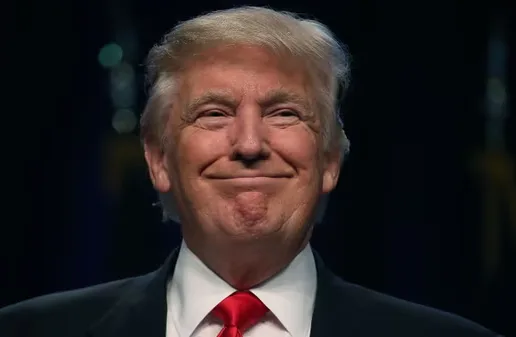
But just hours later, President Donald Trump appeared to throw cold water on those expectations.
In a fiery social media post, Trump flatly rejected details of a reported draft agreement circulating in Iranian state media, calling Tehran’s claims “weak and pathetic” while accusing Iran of acting in bad faith.
The sharp rebuke comes as investors increasingly bet that an end to the four-month conflict could stabilize energy markets, reduce geopolitical risks, and remove one of the biggest overhangs on the global economy.
Instead, Trump’s latest comments suggest the path toward peace may be far more complicated than markets currently expect.
Trump: “Nothing To Do With The Terms We Agreed To”
The controversy erupted after Iranian state media outlets published what they described as details from a 14-point framework for ending the conflict.
According to reports from Iran’s Mehr News Agency, the proposed agreement includes:
- U.S. oil sanctions relief
- Release of Iranian frozen assets
- An end to U.S. naval blockades
- Reopening of the Strait of Hormuz within 30 days
- A withdrawal of U.S. military forces from Iran
- More than $300 billion in reconstruction commitments from the U.S. and its allies
Trump quickly dismissed those claims.
“What they said, including their weak and pathetic statement on having a deal, bears no relation to the truth,” Trump wrote.
He added that the document circulating in Iranian media has “NOTHING to do with the terms that were agreed to, in writing.”
The president went further, calling Iran “very dishonorable people to deal with” and accusing its leadership of negotiating in bad faith.
For investors hoping a finalized agreement was imminent, the comments raised fresh uncertainty about whether negotiations remain on track.
Fresh Tensions Emerge At A Critical Moment
Trump’s frustration appeared to intensify following reports of a new drone incident involving commercial vessels near the Strait of Hormuz.
The president condemned what he described as a drone attack involving Indian ships exiting the strategic waterway.
“Totally unacceptable,” Trump wrote.
“They better get their act together, and FAST!”
The incident comes as tensions remain elevated across one of the world’s most important energy corridors.
The Strait of Hormuz handles roughly:
- 25% of global seaborne oil shipments
- 20% of worldwide liquefied natural gas trade
Any disruption to traffic through the region has the potential to send shockwaves through global energy markets.
That is one reason investors have closely followed every development surrounding negotiations between Washington and Tehran.
Why Wall Street Is Watching Every Headline
Despite Trump’s criticism of Iran’s reported terms, investors largely focused on the possibility that negotiations are continuing.
Markets rallied aggressively Friday.
European stocks climbed sharply, with major indexes gaining around 2%.
Meanwhile, oil prices moved lower as traders increased expectations that a diplomatic resolution could eventually reduce supply risks.
U.S. crude futures fell more than 1.5%.
Brent crude also dropped nearly 2%.
The reaction highlights how much optimism has been built into markets regarding a potential breakthrough.
A successful agreement could:
- Reduce geopolitical uncertainty
- Lower energy inflation pressures
- Ease risks to global trade routes
- Improve investor sentiment worldwide
However, any sign that negotiations are breaking down could quickly reverse those gains.
Behind The Scenes Of A Possible Weekend Agreement
The latest developments come after Trump declared Thursday that the U.S. had reached what he described as a “great settlement” with Iran.
According to the president, only final documentation remained before an agreement could be completed.
Multiple reports suggest negotiations have advanced significantly.
Bloomberg reported that a formal signing could potentially occur as soon as this weekend in Switzerland.
Trump is also expected to meet with world leaders at next week’s G7 summit near the French-Swiss border, creating another opportunity for diplomatic discussions.
Still, key questions remain unanswered.
Most notably, neither Washington nor Tehran appears to agree publicly on what the final agreement actually contains.
That disconnect could become a major obstacle as negotiators attempt to finalize any deal.
Israel Signals It Wants Stronger Guarantees
Even if a framework is reached, regional concerns remain.
Israeli officials have indicated they expect any final agreement to contain strict restrictions on Iran’s nuclear ambitions and missile programs.
Israeli Defense Minister Israel Katz reiterated Friday that Israel intends to maintain a hard-line security posture throughout the region.
Prime Minister Benjamin Netanyahu’s office confirmed discussions with Trump but emphasized the importance of preventing Iran from obtaining nuclear weapons.
Those concerns could complicate efforts to finalize a broad agreement acceptable to all parties involved.
The Market’s Biggest Risk May Be Expectations
For investors, the biggest risk may no longer be the conflict itself.
It may be expectations.
Markets have increasingly priced in the assumption that a peace agreement is nearing completion.
If negotiations succeed, stocks could receive another boost while oil prices continue moving lower.
But if disagreements over key terms derail the process, investors could face renewed volatility across equities, commodities, and global currencies.
Trump’s latest comments suggest that despite growing optimism, significant hurdles remain before any lasting agreement is finalized.
And until both sides publicly agree on the same terms, Wall Street may continue reacting to every headline coming out of Washington, Tehran, and the Strait of Hormuz.
About Author