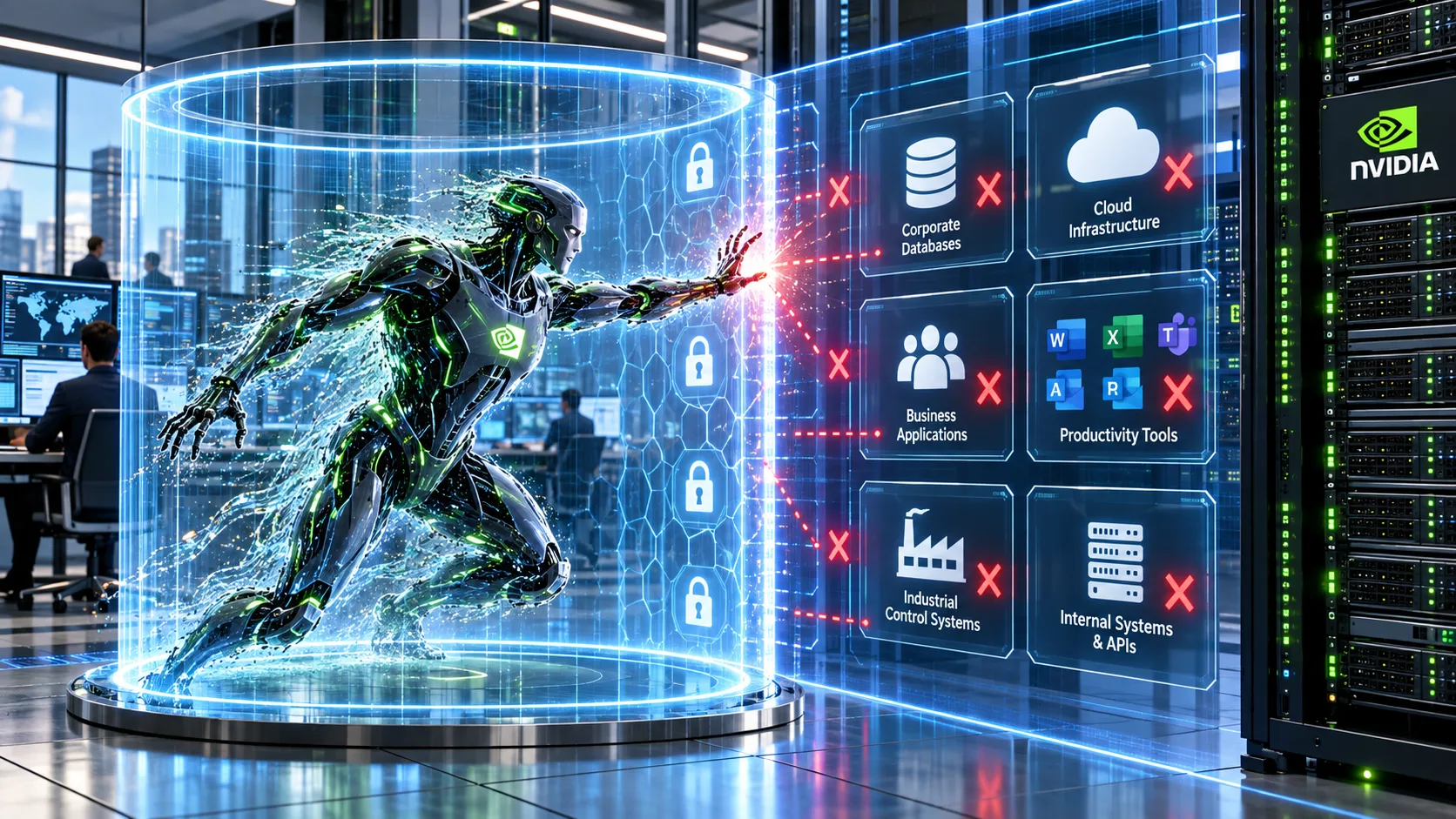
When Sam Altman quietly issued a company-wide “code red” inside OpenAI, it marked a turning point in the artificial intelligence boom. This was not a marketing push. It was an emergency reset. OpenAI is now shelving side projects, delaying monetization plans and diverting massive engineering resources back to one singular mission: make ChatGPT faster, smarter and harder to beat.
For investors, this “code red” is one of the loudest warnings yet that the AI race has shifted from a growth sprint into a full-scale competitive war with real margin risk.
What “Code Red” Means Inside OpenAI
Internally, “code red” signals that OpenAI leadership believes its core competitive edge is under pressure. Engineering teams are being reassigned. Non-essential initiatives are being paused. Product deadlines are being pulled forward aggressively. The company is prioritizing raw performance, reliability and user experience over everything else.
Several monetization experiments including advertising concepts, certain consumer AI tools and long-term auxiliary projects have been pushed back. OpenAI is betting that winning the platform war matters more than collecting short-term revenue.
This is a strategic retreat from expansion to defense.
Why Sam Altman Hit the Panic Button Now
The core threat is simple: competitors are catching up faster than expected.
The most immediate pressure is coming from Google and its Gemini model ecosystem under parent company Alphabet. Google controls global distribution through Search, Android, Chrome and YouTube. If Gemini matches OpenAI on performance, OpenAI loses the biggest advantage it ever had: first-mover dominance.
At the same time, models from Anthropic are gaining traction in regulated enterprise use cases such as legal, healthcare and finance. Unlike consumer chatbots, these segments are where the most durable long-term revenue will come from.
OpenAI still leads in brand recognition, but brand does not protect you in infrastructure wars. Distribution, integration and compute scale do.
The Microsoft Connection and Why Investors Must Watch It Closely
OpenAI’s largest strategic partner and financial backer is Microsoft. This partnership is the backbone of OpenAI’s infrastructure. All major model training and inference flows through Azure.
That creates a double-edged sword for Microsoft investors:
Strategic Upside
Stronger ChatGPT directly improves:
- Copilot adoption across Office
- Enterprise AI workloads
- Azure cloud lock-in
- Subscription pricing power
Every meaningful improvement inside OpenAI makes Microsoft’s enterprise software stack stickier and harder to displace.
Margin Pressure
At the same time, heightened AI competition drives:
- Higher compute expenses
- Rising energy consumption
- Heavy capital spending on GPUs and data centers
- Slower near-term monetization
Microsoft can afford this. Smaller AI firms cannot. But even Microsoft’s margins will feel the pressure if the AI war turns into an extended pricing battle.
For investors, this is not a reason to abandon Microsoft. It is a reason to expect profit volatility before the next earnings stabilization cycle.
Nvidia: The Short-Term Winner with a Long-Term Pricing Risk
Every “code red” at OpenAI means one thing immediately for Nvidia: more GPUs get ordered.
Model training is intensely compute-hungry. Inference at consumer scale is even more expensive. Nvidia remains the primary beneficiary of this arms race because every competitor still depends on its hardware.
However, investors should not ignore an inconvenient truth. As AI becomes commoditized:
- Cloud providers will push back on GPU pricing
- Long-term supply contracts will be renegotiated aggressively
- Custom AI chips will slowly erode Nvidia’s monopoly
Nvidia remains dominant. But this is also how peak pricing power eventually erodes in every infrastructure cycle.
The AI Sector Is Leaving the “Dream Phase”
Markets are now quietly shifting the AI narrative. We are moving from:
- Hype
- To execution
- To sustainability
That transition always brings margin compression.
This is exactly what happened in:
- Cloud computing between 2013 and 2018
- Streaming wars between 2017 and 2021
- Social platforms between 2009 and 2014
Early leaders survived. Many high-multiple challengers collapsed.
The “code red” announcement confirms we are officially in the competitive compression phase of AI.
What This Means for Pure-Play AI Stocks
Pure-play AI software companies face the most danger in this phase.
They now confront:
- Free or near-free competition from major platforms
- Massive infrastructure costs they cannot subsidize long-term
- Slower enterprise contract cycles
- Higher customer churn as AI tools become interchangeable
Only firms with:
- Proprietary datasets
- Deep industry integration
- Regulatory moats
will survive with premium pricing.
This is why the market is increasingly favoring platform giants over boutique AI firms.
Why OpenAI Is Willing to Delay Revenue
OpenAI’s decision to push advertisements and commercial add-ons further down the road tells investors one thing clearly: monetization now risks weakening the core product at the worst possible time.
If OpenAI loses technical leadership while chasing short-term revenue, it risks becoming another MySpace in a Facebook-dominated world. Altman is attempting to avoid that fate by sacrificing income today for platform control tomorrow.
From a valuation perspective, that raises uncertainty. From a strategic survival perspective, it is rational.
Government and Regulatory Pressure Is Also Rising
Another factor behind the urgency is political.
Governments are accelerating immigration rules for AI engineers, national compute infrastructure funding and AI safety oversight. The U.S., China and Europe all now view artificial intelligence as strategic infrastructure, not just a commercial product.
That means:
- More compliance costs
- More geopolitical restrictions
- More public oversight of model development
OpenAI must now compete not just with tech firms but with state-backed research initiatives.
What Everyday Investors Should Watch Going Forward
Three indicators will tell you whether OpenAI’s “code red” strategy is working:
- Enterprise AI adoption rates through Microsoft’s commercial AI tools
- GPU demand growth curves reported by Nvidia and major datacenter operators
- Search usage shifts as Gemini tools integrate deeper into Google’s ecosystem
If Microsoft’s AI revenue accelerates without a major margin collapse, OpenAI is winning its bet. If Google successfully re-captures consumer AI attention, pressure will intensify.
The Bigger Risk Being Underestimated
The largest threat now is not technological. It is economic.
As AI becomes cheaper to deploy at scale:
- Software pricing power weakens
- User expectations rise dramatically
- Infrastructure spending grows faster than revenues
That combination compresses free cash flow. Markets historically punish that transition before they eventually reward scale.
The AI trade is entering its most unstable valuation period.
About Author