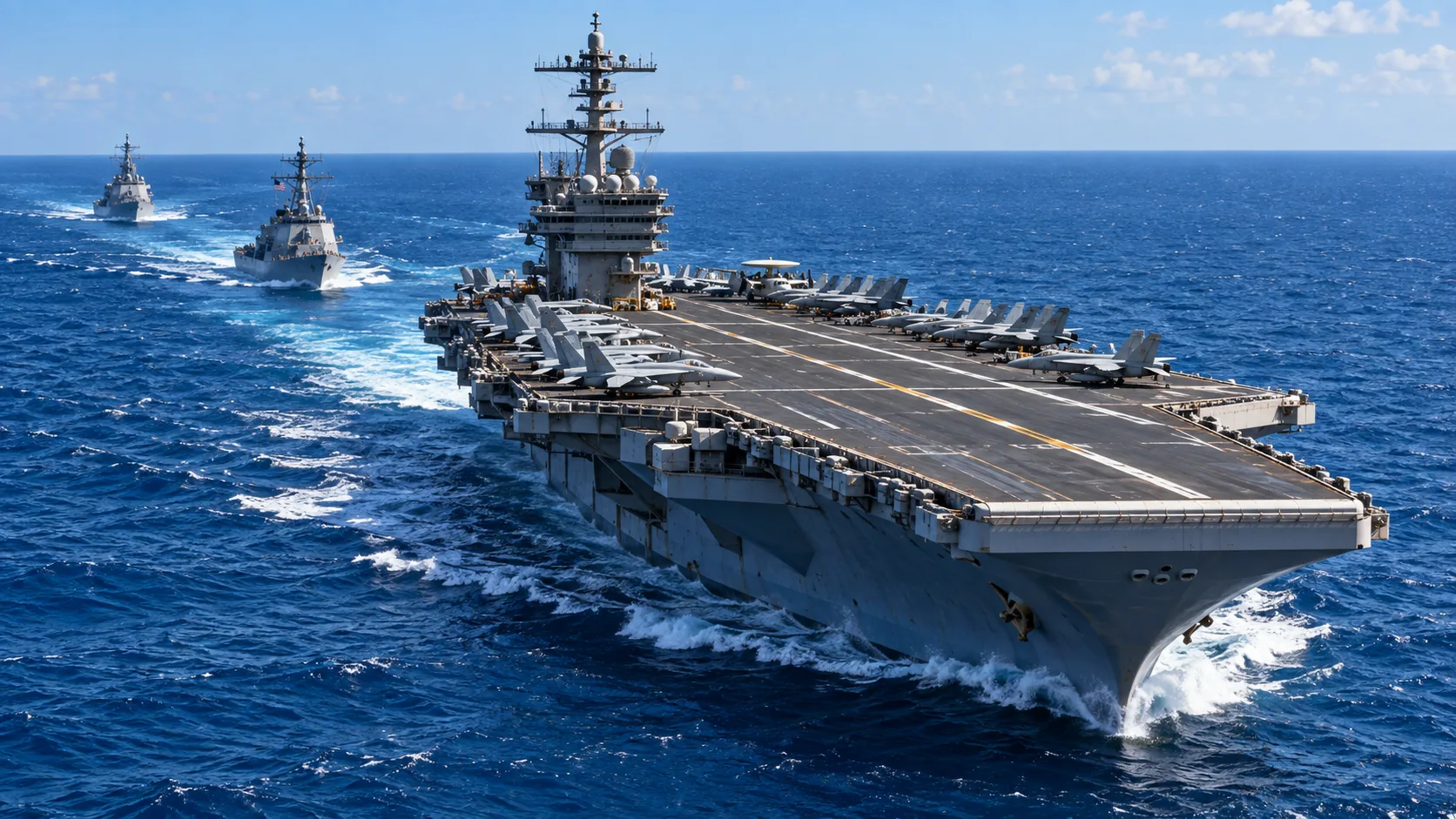
As tensions between the United States and Iran continue to intensify, two extraordinary developments emerged Thursday that could significantly raise the stakes of the conflict.
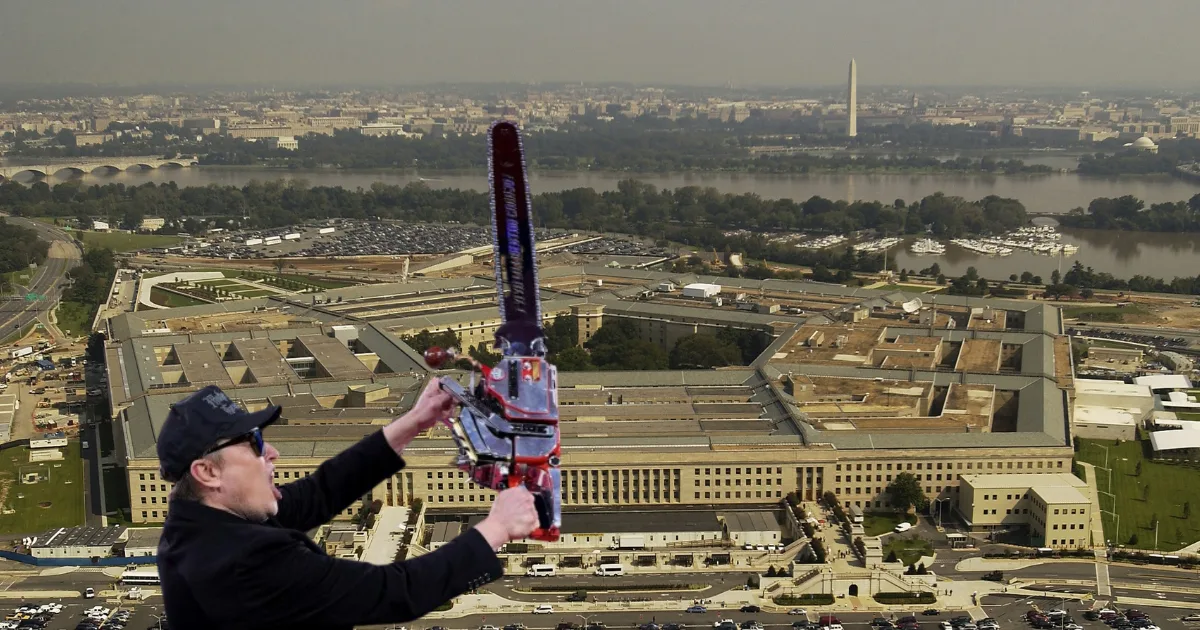
Iranian state media reportedly warned that Elon Musk’s business interests across the Middle East, including SpaceX’s Starlink network, are now considered legitimate military targets. At nearly the same time, President Donald Trump threatened a major escalation of U.S. operations against Iran, including the potential seizure of the country’s most critical oil infrastructure.
The developments mark a dramatic expansion of the conflict beyond traditional military targets and into the worlds of technology, energy, and global commerce.
Elon Musk’s Companies Enter the Conflict
According to Iran’s state-affiliated Fars News Agency, Tehran is now viewing assets connected to Elon Musk throughout the region as military targets.
The report specifically mentioned Starlink ground stations and other facilities associated with Musk-controlled companies operating in what Iran refers to as West Asia.
Iran claims that Starlink and other Musk-linked technologies have played a role in supporting U.S. military operations during the conflict.
The warning represents one of the most direct threats yet against a major American business leader and his companies.
Starlink has become increasingly important in military and communications operations around the world. The satellite internet network has been used in numerous conflict zones, providing connectivity where traditional infrastructure is unavailable or compromised.
If Iran were to attempt attacks against Starlink facilities or other Musk-related assets, it would represent a significant escalation that could draw additional U.S. responses.
The threat also highlights how modern warfare is increasingly blurring the lines between military and commercial targets.
Trump Signals Major Military Escalation
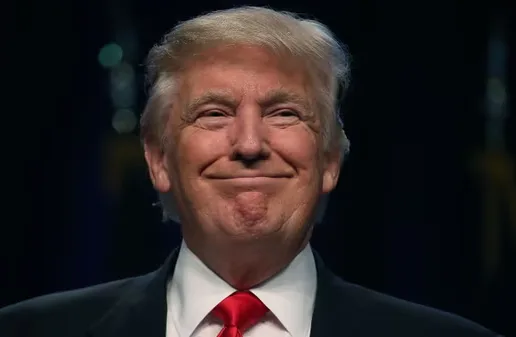
While Iran was issuing warnings against Musk’s businesses, President Trump was delivering his own message to Tehran.
In a social media post, Trump warned that the United States would attack Iran “VERY HARD TONIGHT” and suggested that America could eventually take control of key Iranian oil infrastructure.
Among the facilities specifically mentioned was Kharg Island, Iran’s primary oil export terminal.
Before the conflict, Kharg Island handled roughly 90% of Iran’s crude oil exports, making it one of the most strategically important energy assets in the Middle East.
Trump also suggested the United States could ultimately gain control over Iran’s broader oil and gas markets, comparing the strategy to U.S. actions in Venezuela.
The comments immediately raised concerns across energy markets, where investors have already been closely monitoring disruptions throughout the region.
Why Kharg Island Matters So Much
For investors, Kharg Island may be one of the most important locations they have never heard of.
The island serves as the backbone of Iran’s oil export system. Any prolonged disruption could significantly reduce Iranian crude supplies reaching global markets.
The situation becomes even more important when viewed through the lens of the Strait of Hormuz.
Before the conflict, roughly 20% of the world’s oil supply moved through the strategic waterway connecting the Persian Gulf to global shipping routes.
Any military action involving Kharg Island, Hormuz, or surrounding energy infrastructure could trigger substantial volatility in oil prices.
Energy analysts have repeatedly warned that prolonged disruptions in the region could push crude prices significantly higher, creating ripple effects across inflation, transportation costs, and corporate earnings.
Investors Should Watch These Three Markets Closely
The latest developments could have implications far beyond the battlefield.
1. Energy Markets
Oil remains the most immediate concern.
Any threat to Iranian exports, shipping lanes, or regional production facilities could drive sharp price swings. Energy producers may benefit from higher crude prices, while industries dependent on fuel costs could face additional pressure.
2. Defense Stocks
Escalating military operations typically increase investor interest in defense contractors and companies involved in military technology, surveillance, and communications systems.
3. Technology Infrastructure
Iran’s warning toward Starlink demonstrates how critical commercial technology networks have become during geopolitical conflicts.
Investors may increasingly focus on companies whose infrastructure plays strategic roles in communications, satellites, cybersecurity, and defense support operations.
The Bigger Picture
The conflict is evolving beyond a conventional military confrontation.
Iran’s decision to publicly threaten Elon Musk’s businesses reflects a broader recognition that private-sector technology companies now occupy strategic positions in modern warfare.
At the same time, Trump’s willingness to discuss controlling Iranian energy infrastructure signals that economic assets may become increasingly central to U.S. strategy.
For markets, that combination creates a powerful mix of geopolitical uncertainty and economic risk.
Investors are no longer simply watching missile strikes and troop movements. They are now watching oil terminals, satellite networks, shipping routes, and corporate infrastructure that have become deeply intertwined with global security.
As the conflict enters a potentially more dangerous phase, energy prices, defense stocks, and technology companies with strategic importance are likely to remain at the center of investor attention.
About Author