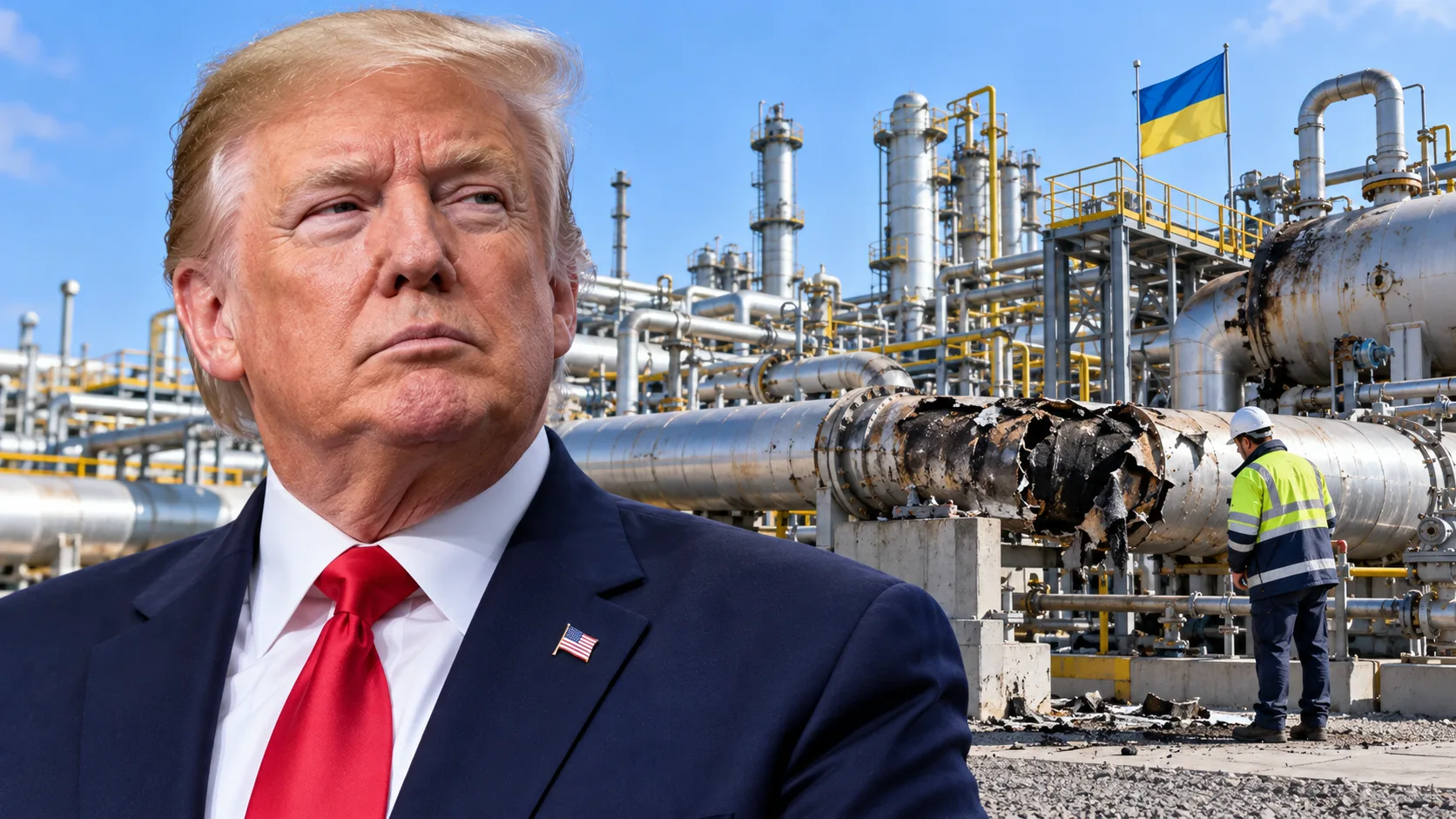
On September 10, 2025, a fleet of about 19-23 Russian drones violated Polish airspace in what many analysts describe as a deliberate provocation. Warsaw, backed by NATO, scrambled fighter jets (including F-35s), shot some drones down, recovered debris, and invoked diplomatic and military responses. Barron’s
This event isn’t just a geopolitical headline. It may represent a turning point for defense policy, defense spending, industrial supply chains, and investment opportunities in Europe (and globally). Here’s what investors should understand — and what to act on.
What Happened — The Facts Investors Should Anchor On
- Airspace Violation: Around 19 (possibly up to 23) drones crossed into Poland, some from Belarus. Several were shot down. Polish and NATO aircraft responded. Wikipedia
- First of Its Kind for NATO: It’s one of the first such instances where a NATO member engaged (with allied air support) to shoot down Russian drones. That sets a new precedent. Reuters
- Political & Diplomatic Response: Poland has called for emergency consultations under Article 4 of the NATO treaty (which requires dialogue when any member feels threatened) but not Article 5 (collective defense). The European Union and NATO leaders condemned the act as provocative. AP News
Why It Matters — Strategic, Economic, and Investor Implications
This isn’t just about drones or Poland. It’s a signal — and signals create policy, spending, markets.
Acceleration of Defence Spending & Procurement
Europe has been rearming steadily over the past few years. The incursion adds urgency.
- Under the Readiness 2030 package, the EU is mobilizing ≈ €800 billion to bolster its defense infrastructure, with programs for joint procurement, drones, missile defense, etc. Morningstar
- Economists estimate that if EU countries increase defense spending by up to 1.5% of GDP through 2028, there would be a modest boost to GDP (≈ 0.5% above baseline by 2028) although public debt/GDP would rise modestly too. Economy and Finance
Investors should expect governments to sign contracts, issue debt, expand supply chains, and perhaps support domestic defense champions.
Cost Mismatches & Need for New Technologies
One of the striking points is how expensive it is to counter attacks like this:
“They were shot down by really high value equipment, so it was necessary to scramble an F-35 fighter jet, that is worth hundreds of millions of U.S. dollars, to shoot down a drone that is perhaps [worth] $100,000,” said Guntram Wolff. Barron’s
This suggests:
- A cost asymmetry: cheap threats, expensive counters.
- Demand for more cost-efficient defensive tools: interceptors, electronic warfare, drone walls, radar/anti-drone systems, etc.
Political Risk, Sanctions, and Oil/Energy Impacts
- There’s a push in the EU to accelerate phasing out Russian fossil fuels and to enforce stricter sanctions. Reuters
- If sanctions ratchet up, energy supply (and pricing) risk for firms tied to Russian energy or regions vulnerable to spillover risk could increase.
Making the EU Defense Industrial Base a Core Growth Theme
The situation reinforces structural investment themes:
- Defense firms in air defense, missiles, radars, counter-drone tech, unmanned systems stand to benefit. AInvest
- Companies with backlog, R&D strength, and government contracts (e.g. Rheinmetall, Leonardo, Thales, etc.) are rising in investor attention. CFA Institute Daily
What Investors Should Do — Actionable Guidance
Here are concrete moves to consider.
| Area | Action | Risk & Caveats |
|---|---|---|
| Portfolio positioning | Increase exposure to defense / aerospace stocks (especially European and allied firms) that supply air defense, counter-drone, electronic warfare, unmanned systems. Monitor their contract pipelines. | Valuations may already partially reflect this tailwind; policy risk and regulatory risk are high; supply chain disruption possible. |
| Focus on “hidden” plays | Industrial companies with defense divisions but not fully priced as defense players (e.g. radar makers, missile electronics, drone sensors) could offer upside. Reuters | Hidden defense exposure often comes with less visibility; earnings cycles may lag; some earnings volatile or tied to exports, geopolitics. |
| Watch government policy & budgets | Track upcoming EU, national defense budgets, joint procurement agreements. For example, Germany, Poland, the Baltics are likely to commit more resources. | Delays or political opposition, budget constraints, or competing priorities (e.g. domestic social spending) could slow execution. |
| Consider risk of escalation | Make sure your portfolio is hedged for geopolitical risk: energy price shocks, trade disruptions, sanctions, potential supply chain blockages in metals, rare earths, etc. | Over-hedging might drag returns; escalation doesn’t necessarily mean broad conflict, but markets dislike uncertainty. |
| Monitor valuations & capital markets | Defense firms may command premium valuations — be selective. Also, debt issuance for defense spending could open new opportunities in sovereign / quasi-sovereign debt markets. | Rising interest rates may squeeze governments; defense procurement often involves currency risk, long lead times. |
Market Signals & Trends
Here are some patterns already visible in markets or policy, ones that likely follow from the Poland event.
- Defense stocks are rising on the news. European defense firms such as Rheinmetall, Leonardo, Thales, etc., are being bought as the defense investment theme strengthens. U.S. unmanned systems providers, too, are up. Barron’s
- Policy shifts toward stricter sanctions, accelerated energy decoupling from Russia, and stronger cooperation among EU members on defense procurement. Goldman Sachs
- Investor interest in emerging / non-obvious segments, like electronic warfare, radar, anti-drone sensors. Companies like Kongsberg, Hensoldt are already benefiting. AInvest
Potential Pitfalls & What Could Go Wrong
- Political opposition: Some EU countries resist raising defense spending due to domestic priorities. Even among allies, divergent interests (e.g., approach to Russia, procurement policy) can slow action.
- Budget constraints: Many European nations have tight fiscal space, inflation pressures, energy costs. Debt ceilings or rules may limit rapid increases.
- Supply chain bottlenecks: Defense gear needs rare materials, specialized manufacturing. Scaling up fast is non-trivial. Delays, cost overruns, quality issues possible.
- Overvaluation: If markets price in too much of the upside prematurely, downside exists if contracts or policy fail to materialize as expected.
What Changes If This Is a Turning Point
If this event (and others like it) lead to sustained policy shifts, the effects could be structural:
- New norm of aerial threats: Cheap drones, swarms, low-cost incursion tactics will be part of threat modeling rather than anomalies.
- Defense industrial policy becomes core: EU and NATO may push more for industrial integration, shared R&D, etc., reducing reliance on imports.
- Shift in alliances & supply chains: Emphasis on domestic or regional capacity for critical defense components; renewed focus on tech sovereignty.
- Increased risk premium for related sectors: Energy firms, logistics, shipping, metals/minerals – those vulnerable to sanctions or war spillover could see higher risk premiums.
What Investors Should Watch Next
Here are key data points, events, or indicators to monitor in coming weeks/months:
- Approval and rollout of the 19th package of EU sanctions against Russia. Who’s included, how severe, energy vs. trade impacts. Reuters
- National defense budget announcements in Poland, Germany, Baltic states, Italy, France. Look for increases, especially in air defense, drones, radar tech.
- Contract wins / backlog reports from defense companies — which firms are getting business for anti-drone systems, missile defense, etc.
- Policy proposals around unified EU defense procurement / industrial base, particularly under Readiness 2030. Wikipedia
- Financial performance of defense, drone, and counter-drone tech companies, especially smaller or niche firms (sensor, EW, radar, etc.)
- Geopolitical escalation: Any direct responses from Russia, or further incursions, or wider NATO engagement — this will significantly affect risk sentiment.
Why This Should Be Part of Your Investor Thesis
If you’re constructing or adjusting your investment thesis, here’s why this event strengthens certain themes:
- Security dependencies are underpriced: Many markets haven’t fully internalized the shift toward higher defense and security spending in Europe.
- Defense as countercyclical / defensive exposure: In turbulent times, companies with government contracts in defense often have more stable demand.
- Tech & innovation leverage: Investments in sensors, drones, electronic warfare, AI, counter-drone systems can yield stronger growth and margins than traditional hardware.
- Geopolitics matters more than ever: Capital allocation will be influenced by countries’ perceived threat levels; proximity to conflict zones could drive outperformance for some firms.
Conclusion
The drone incursion into Polish airspace isn’t just another headline in the war in Ukraine. It’s a moment that underscores how vulnerable Europe feels, and how governance, industry, and markets are being forced to respond.
For investors, that means there are tactical opportunities, but also risks. The smart move is to lean into defense exposure (especially in Europe), watch policy closely, be wary of overvaluation, and think in terms of structural shifts — this may mark a durable inflection rather than a transient spike.
About Author