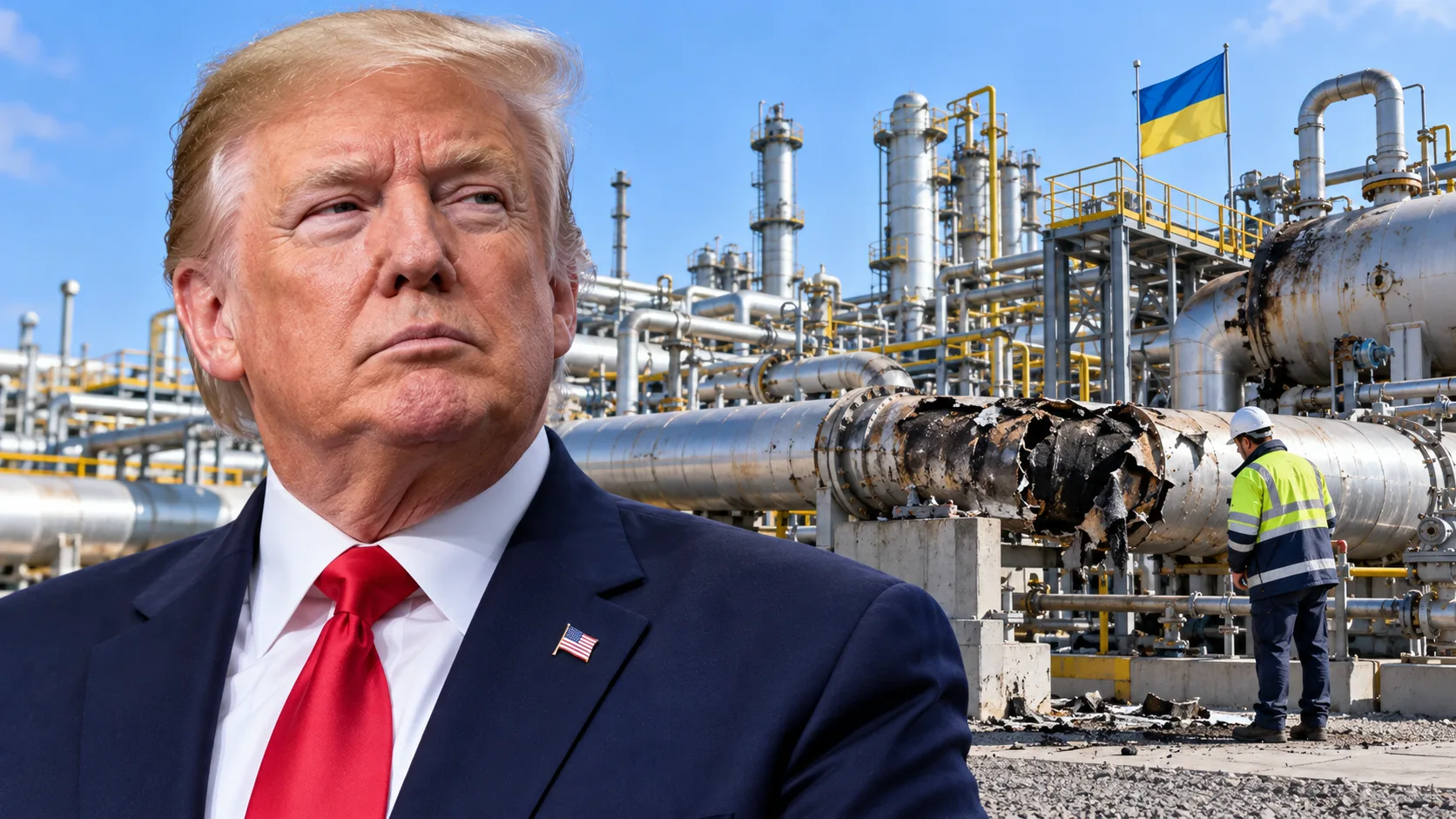
The U.S. and China have reached a framework agreement in Madrid that could force TikTok’s Chinese owner, ByteDance, to divest its U.S. operations or shift U.S. ownership to avoid a shutdown scheduled for September 17, 2025. President Donald Trump and Chinese President Xi Jinping are slated to meet on Friday to finalize the terms.
What the Framework Deal Entails
Here are the confirmed facts so far and key open questions:
| Confirmed / Likely | Details |
|---|---|
| Objective | Switch TikTok’s U.S. business to U.S.-controlled ownership. |
| Deadline | September 17 is the date by which ByteDance must divest U.S. operations or face a ban. A short extension seems likely to finalize arrangements. |
| Negotiation Context | Part of broader U.S.-China talks over tariffs, trade policy, national security, and technology restrictions. China has made “very aggressive asks” in negotiations, per U.S. Treasury Secretary Scott Bessent. |
| Next Step | A meeting between Trump and Xi to finalize terms. Commercial terms are said to be agreed between private parties but have not been publicly disclosed. |
Open questions include: Which U.S. entity or group will take ownership? What will be the price and structure? What trade concessions (if any) will the U.S. make in return? Will China require something in exchange? Reuters
Why This Matters for Investors
This deal is not just political theater. It has real, tangible consequences for many sectors and companies. Here’s what to watch, with implications and possible action.
1. Tech / Social Media Stocks
Companies that compete with TikTok (Meta Platforms, Snapchat, etc.) could benefit if TikTok’s operations in the U.S. become less efficient due to regulatory oversight, ownership transfer, or restrictions. But if the resolution creates a smoother working environment (e.g., with clear rules, less legal risk), that benefit could be less pronounced or delayed.
2. Regulatory Risk Premium
Investors in tech, especially foreign-owned platforms, are likely to factor in higher regulatory risk in their valuation models. This framework deal may set a precedent: foreign ownership of platforms with large user bases could be subject to forced divestiture or U.S. oversight. Expect higher discount rates for companies in similar circumstances.
3. Trade & Tariff Interactions
Because this deal is bundled in with broader trade negotiations, what China demands (or gets) in return may influence the risk-reward equation. For example, trade concessions or decreased duties in other sectors might be part of this deal. If so, companies exposed to U.S.-China trade (manufacturers, exporters, supply chain dependent firms) should monitor fallout. Some may benefit if tariffs are eased; others may face harsher constraints tied to non-tech sectors.
4. Valuation & M&A Activity
If ByteDance is forced to divest, there could be a bidding war for its U.S. operations. Private equity, large tech incumbents, or consortiums may step in. Investors in firms that could participate (or benefit from acquisition synergies) may see upside. Also, valuation benchmarks could shift if the divestiture price is high or if the U.S. business is burdened with compliance costs.
5. Geopolitical Risk and Policy Sensitivity
Investors must assume that tech regulation is a major geopolitical instrument now. National security, data privacy, algorithm control are going to matter. This deal suggests that in U.S. policy, “foreign adversary-controlled application” status is meaningful and can lead to consequences. Tech firms will need to build resilience for that kind of risk.
Market Signals & Trend Insights
To ground this in what the data / signals are showing:
- Stock Performance: Shares in companies likely to benefit (social media alternatives, content platforms) may have already started reacting. Monitor short-term volatility in names like Meta (META), Snap (SNAP), Pinterest, etc. Some speculative repositioning is likely.
- Regulation Tailwinds: The U.S. law passed earlier forced ByteDance to divest or face a ban. The Guardian This deal flows from that. So the legal risk has already been baked in to some extent. What’s new is that this may avoid a shutdown scenario and provide a blueprint for compliance.
- Political Influence & Timing: September 17 is the deadline; any slippage, uncertainty, or new demands will shift risk ahead. Investors who act early (i.e. anticipate extension, acquisition announcements) may capture value.
- Broader Regulatory Landscape: U.S. sensitivity over Chinese tech investments, privacy laws, AI regulation etc. This deal may accelerate regulatory frameworks in those adjacent areas. For instance, rules around data access, content moderation, cross-border data storage.
Risks & What Could Go Wrong
Investors must be aware of possible pitfalls; not everything is guaranteed.
- Deal Collapse or Delay: Although the framework is “reached,” finalization depends on Trump-Xi discussions. China may push back on demands, or require trade concessions not palatable in the U.S.
- Regulatory Overhang Costs: Even with U.S. ownership, compliance, oversight, possible misalignment with data privacy or algorithm transparency laws could impose higher costs.
- Valuation Uncertainty: If the purchasing entity pays too much (i.e. paying for the “TikTok” brand, user base, algorithms), then ROI may be lower. If profitability is squeezed by compliance or restricted content or features, margins could tighten.
- User Backlash or Operational Disruption: Changing ownership, governance, or structure could disrupt operations, features, or user perception. That could lead to user loss or engagement decline important for a business whose value depends heavily on active users and content creation.
Investor Action Plan
Here are steps investors might consider:
- Monitor Key Dates
- September 17: current deadline.
- Friday meeting between Trump & Xi.
- Any public filings or announcements from ByteDance or potential U.S. buyers.
- Scan M&A & Private Equity Activity
- Watch for who is lining up bids. Groups with capital and experience in regulated tech spaces could take advantage.
- Consider exposure to firms possibly acquiring TikTok’s U.S. portion.
- Re-Evaluate Portfolios Exposed to Regulatory Risk
- Social media, streaming, platforms that rely on cross-border content or data.
- Ensure you’re sizing regulations into projections: potential for compliance cost, oversight, or forced structural changes.
- Look for Alternative Growth Plays
- Platforms that already operate under U.S.-friendly ownership or jurisdiction.
- Emerging apps with potential to capture TikTok’s user base if it struggles during a transition.
- Stay Informed on Trade Concessions
- If China gets meaningful concessions (tariffs reduced, technology restrictions eased) that could ripple across other industries—manufacturing, semiconductors, consumer goods.
Why This Deal Marks a Turning Point
To put this in perspective: this isn’t just about TikTok. It reflects how national security concerns, data privacy, and foreign ownership are becoming central to valuation and risk in tech. For investors, it could mark the beginning of a new “adversarial ownership premium”—if companies are either foreign-owned or subject to these geopolitical pressures, they may carry higher risk and/or require discount rates to reflect that.
Additionally, this deal could reset expectations in how U.S. law interacts with Chinese tech. If divestiture is forced here, future cases (AI companies, data platforms, IoT, etc.) may face more aggressive regulatory action.
Key Takeaways
- U.S. and China have reached a framework deal aimed at making TikTok’s U.S. operations U.S.-controlled, avoiding a government shutdown set for September 17. Reuters
- Finalization depends on head-of-state approval and resolution of outstanding trade and policy issues. AP News
- For investors, this represents both opportunity (in firms positioned to benefit from shifts or acquisitions) and risk (regulatory, operational, valuation).
- This deal could be precedent-setting for how tech companies with foreign ties are treated under U.S. law and may trigger similar scrutiny elsewhere.
About Author